Mobilizing disadvantaged grassroots populations into democratic, self-sustaining Community-Based Organizations (CBOs) and strengthening local government institutions.
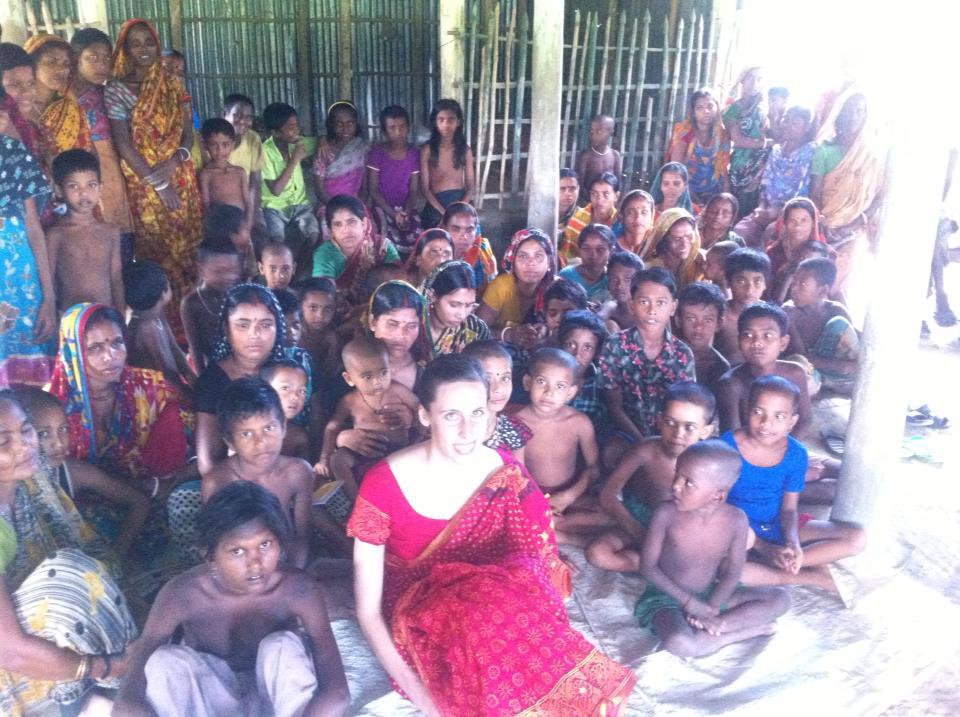
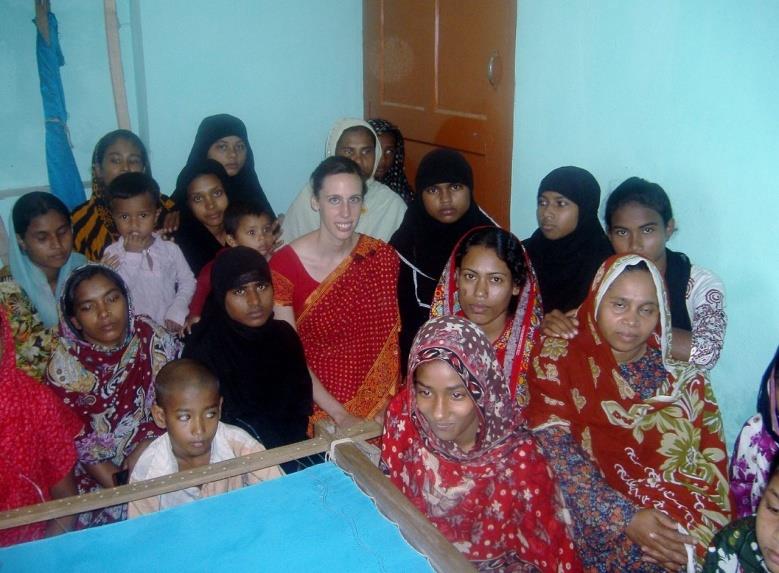
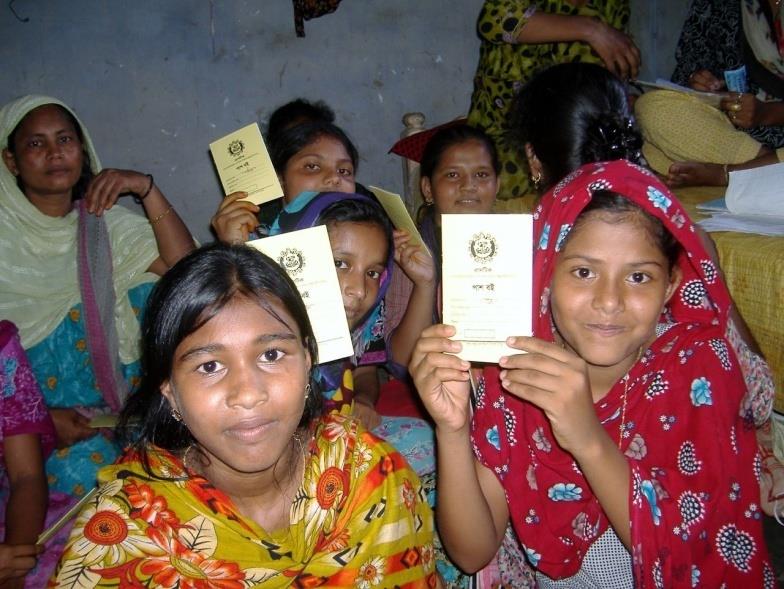
RUSTIC organizes small groups comprising 20 to 25 poor women and men into primary units, which are later federated into village development committees. These grassroots bodies elect their own leaders, formulate weekly savings plans, and advocate for community entitlements.
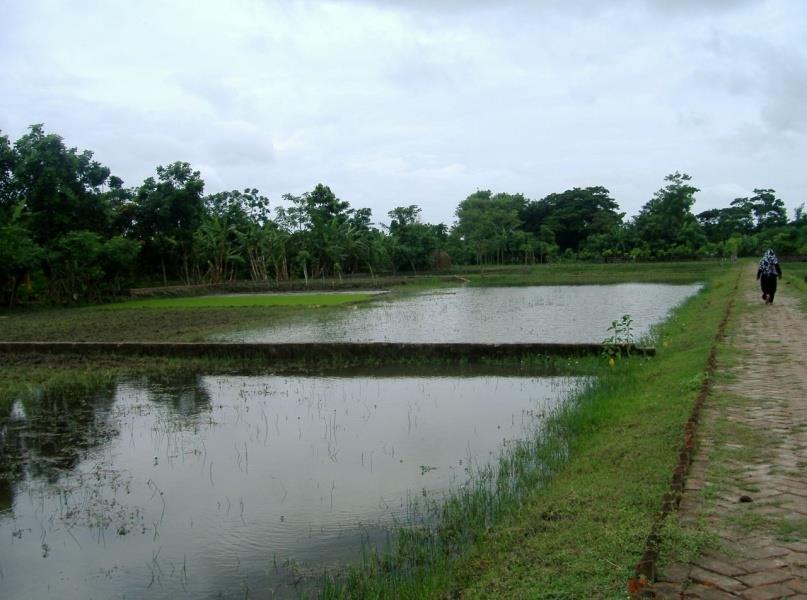
Promoting community self-reliance through internal capital formation, pooled procurement of agricultural inputs, and leasing of common-property water bodies for community aquaculture.
Organizing smallholder and marginal farmers into crop marketing and irrigation cooperatives to eliminate middleman exploitation.
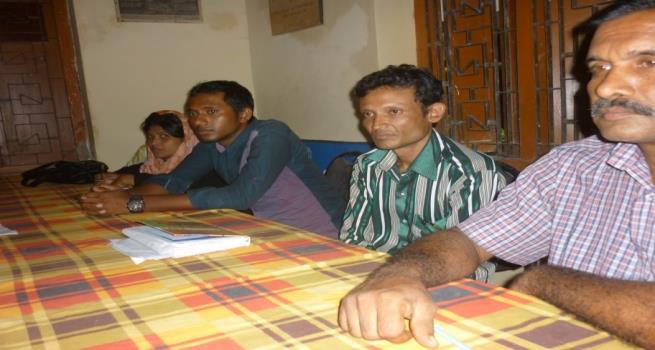
Conducting non-partisan civic awareness campaigns, mock voting drills, and women voter mobilization in local Union Parishad elections.
Capacity building for Union Parishad standing committees, participatory open budget sessions, and field activities under the Morrelgonj Project.
Providing functional literacy, vocational trade competencies, and rehabilitating working children from hazardous urban labor.
Under the "Sustainable Development of Adolescent Girls through Education and Vocational Training" program supported by the Bangladesh NGO Foundation and Seven Hills Global Outreach, RUSTIC operates community vocational centers.
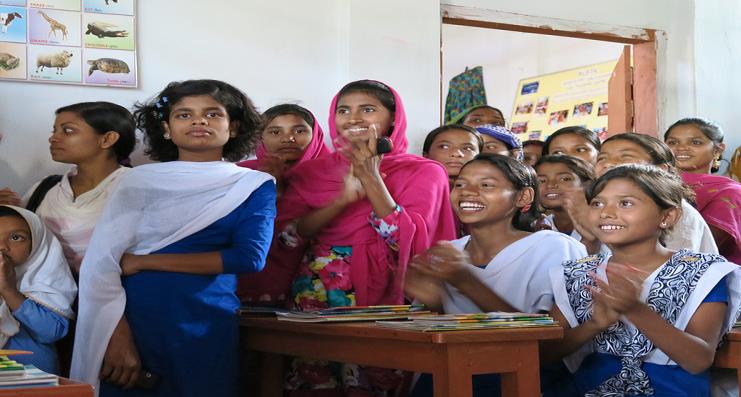
Adolescent dropouts receive functional education, life skills, sewing, cutting, embroidery, block-boutique printing, and micro-business management training.
Non-formal primary education (NFPE) and rehabilitation centers for children engaged in dangerous occupations (automobile welding, metal workshops, tanneries, and fish processing plants).
Children receive flexible classroom schooling, mid-day nutrition, healthcare counseling, and stipend support while transitioning back into formal government schools.
Introducing modern saline-tolerant agricultural practices, sustainable aquaculture, livestock micro-enterprises, and financial self-sufficiency.
Pesticide-free Integrated Pest Management (IPM), pheromone traps, and organic vegetable production on homestead dykes.
Freshwater lobster (Galda/Bagda) post-larvae (PL) nursing in floating cages and eco-friendly polyculture.
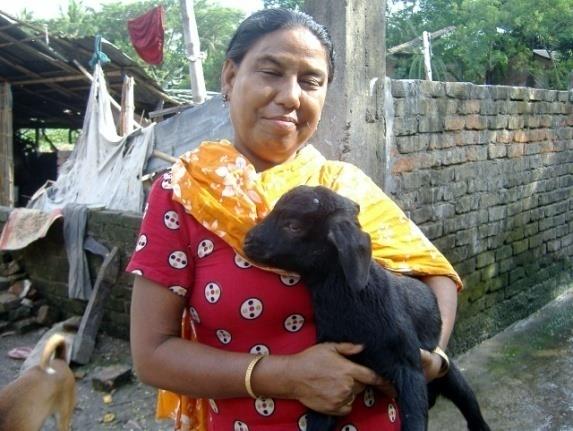
Black Bengal goat rearing, crossbreed poultry, de-worming vaccinations, and animal husbandry training.
Cultivation of saline-tolerant high-yielding paddy varieties (BRRI Dhan 47, 67) in coastal polders.
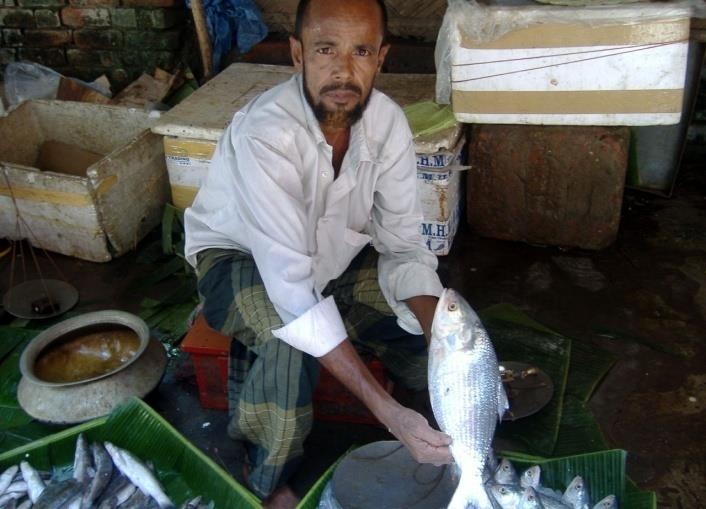
Providing micro-credit revolving loans, business incubation, quality control, and direct supply-chain linkages for village women artisans, grocery shop owners, fish vendors, and tailoring graduates.
Flagship environmental innovations: Solid waste-to-biofertilizer, Shahpur Bazar compost plant, vermicompost, biogas, and community WASH.
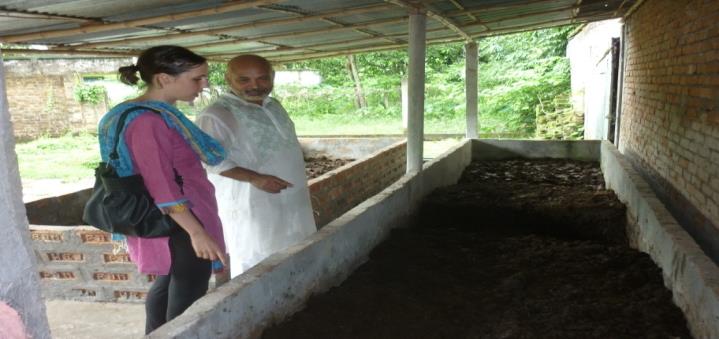
In long-term partnership with Khulna City Corporation (KCC), RUSTIC operates a door-to-door kitchen waste collection system across Wards 16, 17, and 18. RUSTIC collects between 3.0 to 3.5 metric tons of organic municipal kitchen waste per day from over 4,700 households.
At the Shahpur Bazar Aerobic Compost Treatment Plant, segregated organic waste is converted into 1,200 to 1,400 kg of superior-grade bio-fertilizer daily, replacing chemical fertilizers and mitigating methane greenhouse gas emissions.
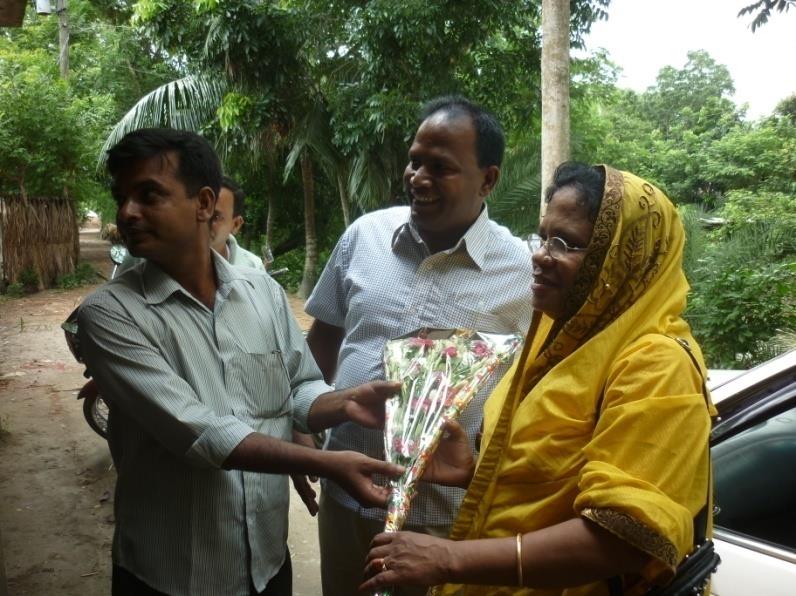
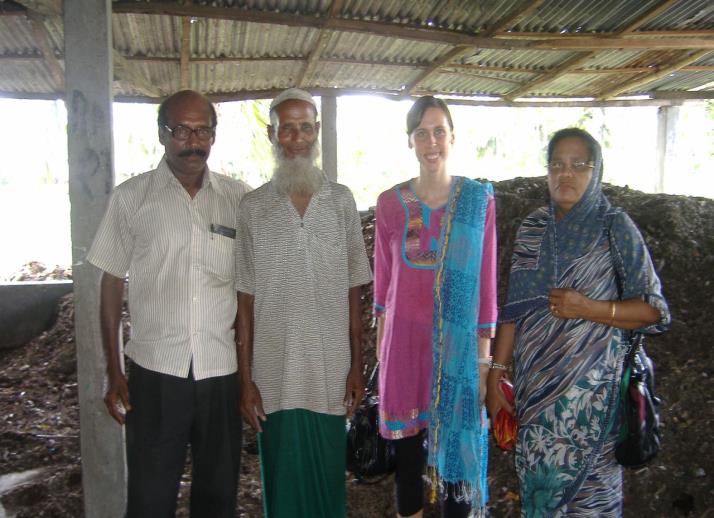 Delegations Visiting Compost Plant
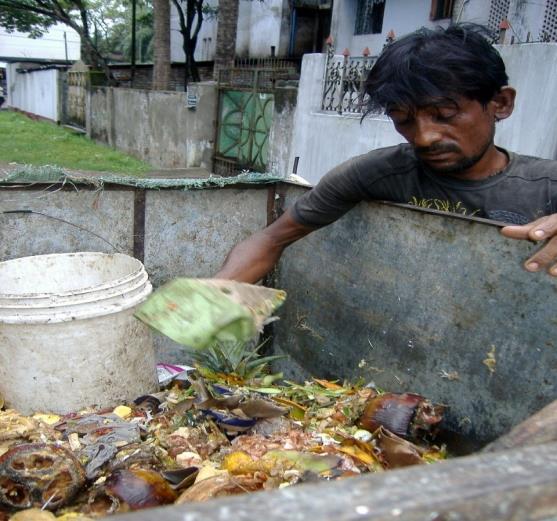 Door-to-Door Waste Collection
Breeding earthworms (Eisenia fetida) for vermicompost fertilizer and establishing conservation sanctuaries for indigenous freshwater apple snails (Pila globosa).
Constructing fixed-dome domestic and institutional biogas digesters converting kitchen waste and cow dung into methane cooking fuel and slurry fertilizer.
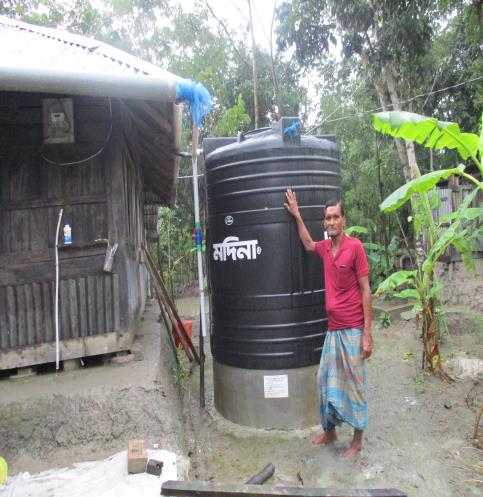
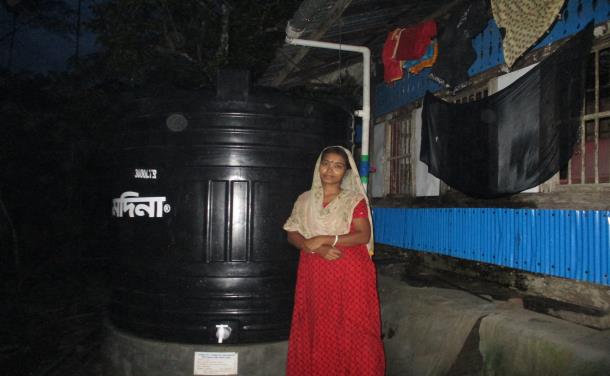
Installing arsenic-free deep tube-wells (800–1000+ ft), constructing pond sand filters (PSF), sanitary latrines, and community hygiene mobilization.
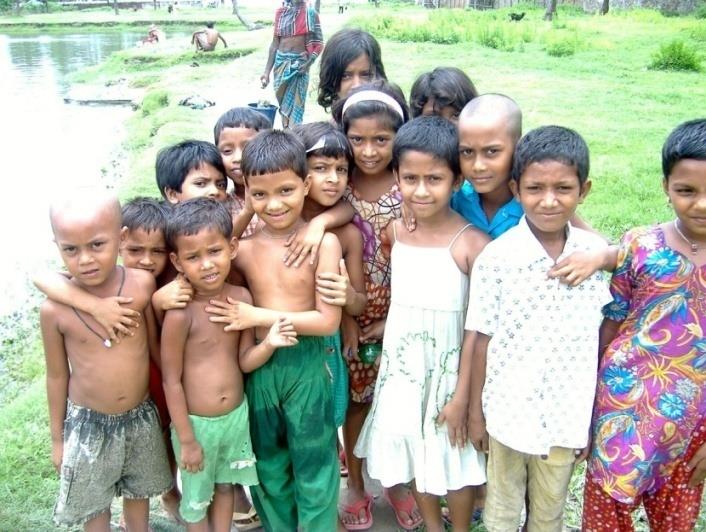
Safeguarding vulnerable coastal children, supporting senior citizens, and delivering mobile maternal-child healthcare clinics.
Preventing child exploitation, stopping child marriage, establishing child protection clubs, and rescuing children from hazardous street labor.
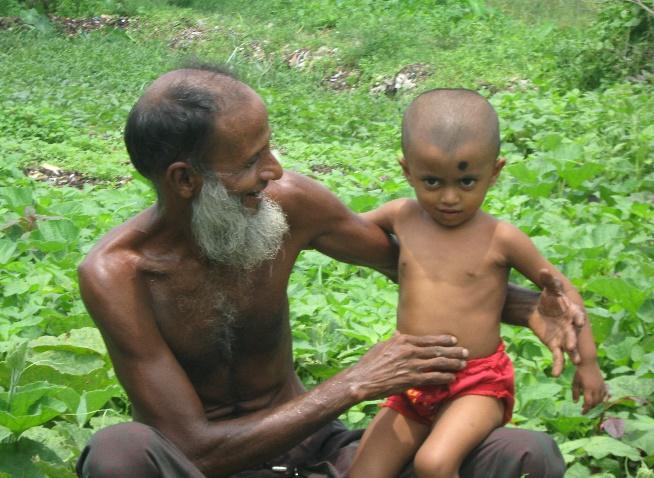
Free medical consultations, essential geriatric medicine, winter blanket distribution, and social safety net enrollment for destitute senior citizens.
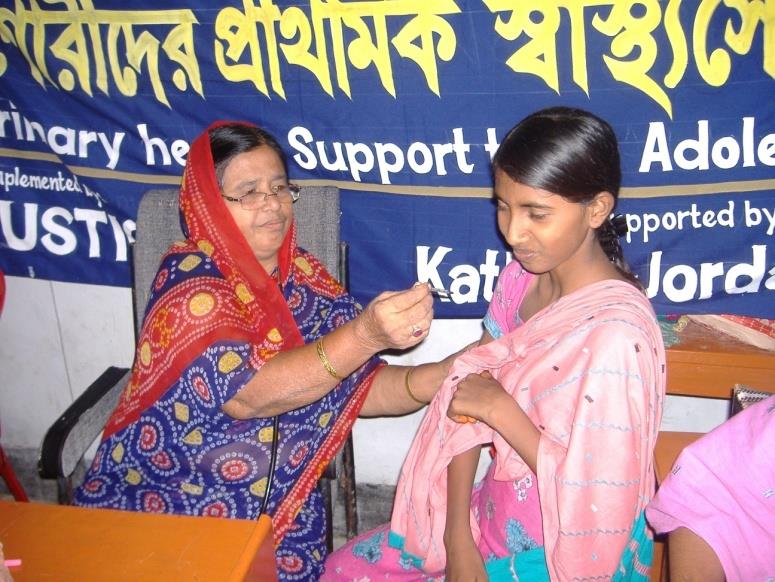
Conducting community immunization drives, prenatal/postnatal counseling, and installing safe drinking water supply points at vocational centers.
Large-scale roadside tree plantation and embankment green belts executed under the Integrated Food for Development (IFFD) project with CARE-Bangladesh and USAID.
Under the IFFD project, RUSTIC planted and maintained 16,500 tree saplings along 16.5 km of rural roadside embankments across Sharankhola and Mongla Upazilas. The plantation included valuable timber and environmental species: Mehagony, Raintree, Chambal, and Pahari Neem.
The program established long-term usufruct tree-care contracts with destitute rural women caretakers. Today, the standing timber and ecological valuation of these mature surviving trees exceeds BDT 300,000,000.00 (30 Crore Taka).
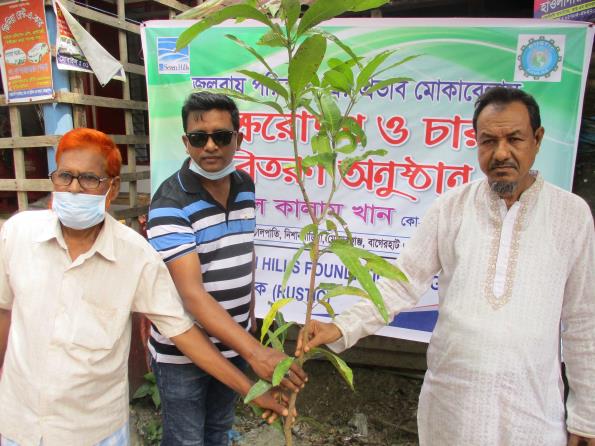 Roadside Tree Plantation
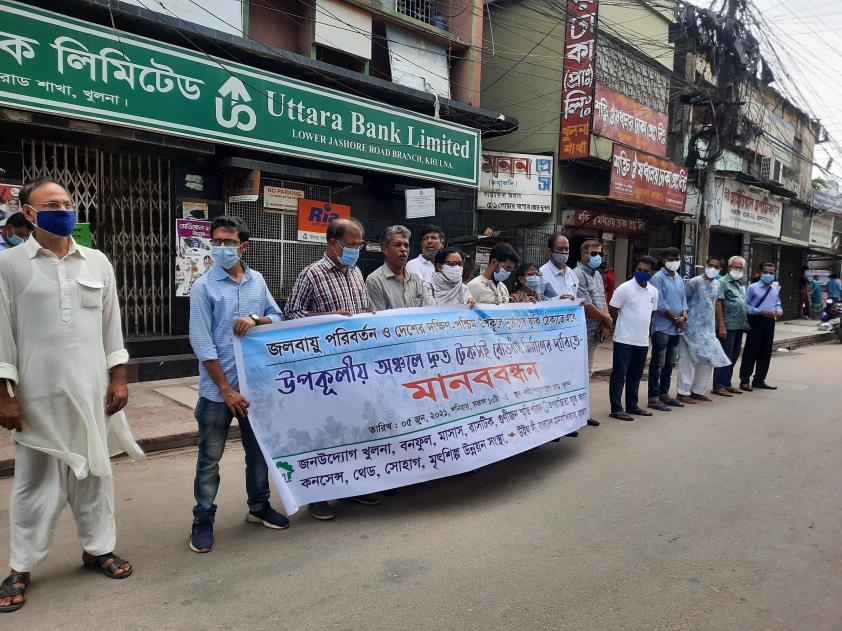 Embankment Afforestation
Fostering servant leadership, modern agricultural entrepreneurship, and civic volunteerism among coastal youth.
In partnership with Winrock International (USA) and Seven Hills Global Outreach (SHGO), RUSTIC hosted distinguished international youth specialist Dr. Gary Lee Heusel to design the Positive Youth Development (PYD) framework.
The program establishes Youth Leadership Clubs in rural high schools and colleges, providing experiential training in agro-forestry entrepreneurship, climate disaster response, IT literacy, and community problem-solving.