Municipal Solid Waste Management Program
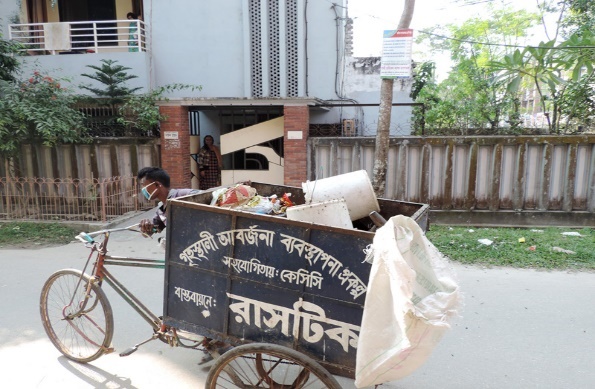
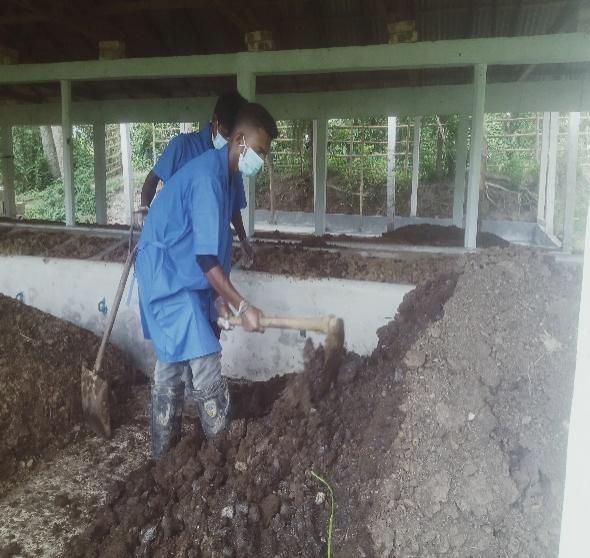
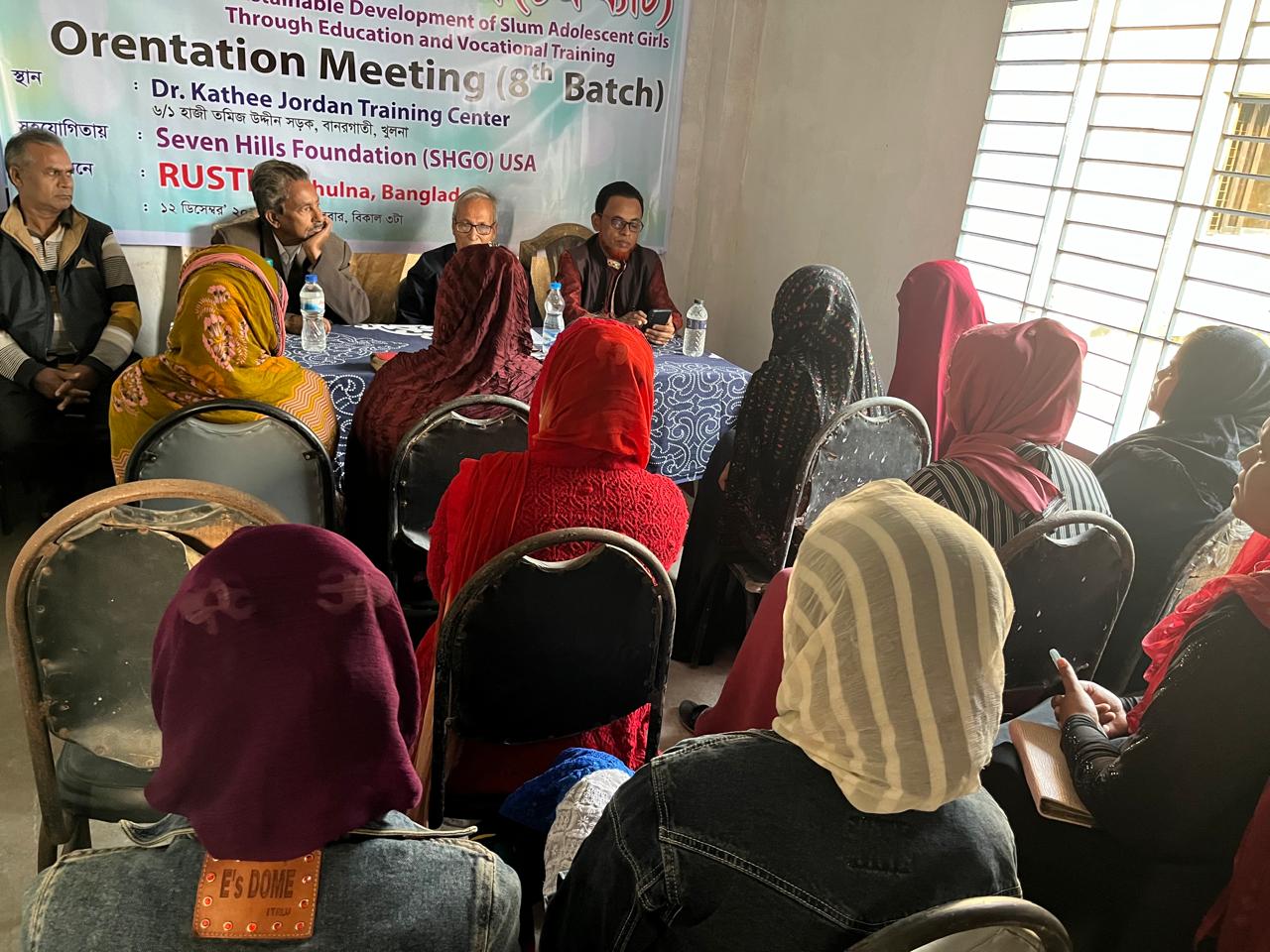
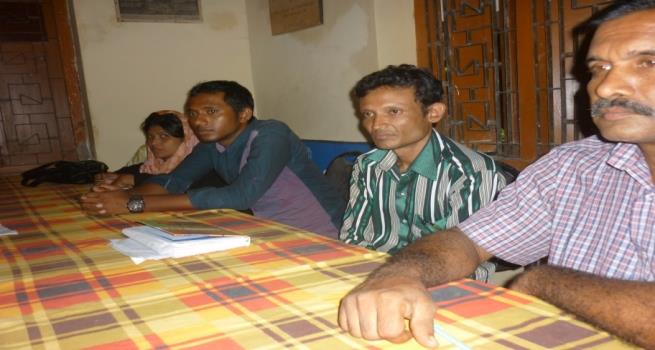
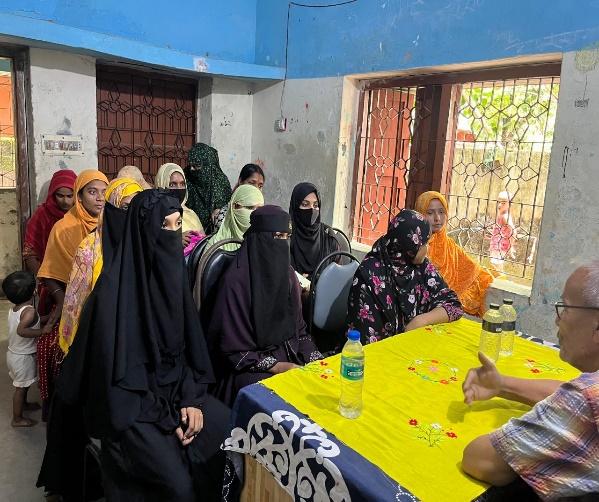
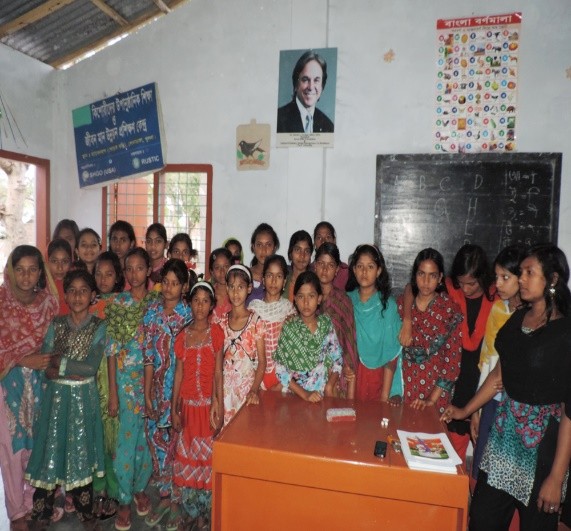
Strategic Objectives • Improve the overall urban environment of Khulna City. • Foster civic responsibility and environmental awareness among urban residents. • Minimize environmental pollution through sustainable practices. • Establish and strengthen community-driven, sustainable municipal solid waste management systems. Current Donor and Partner Agencies • Bangladesh NGO Foundation • RUSTIC (self-contribution) • Community Participation • SHGO (Seven Hills Foundation Global Outreach) • UNDP / GIZ / Khulna City Corporation (KCC) • USAID & Abt Global Project Timeline Initial Launch: March 1997 Status: Ongoing and actively expanding Project Background and Evolution RUSTIC launched the Community-Based Municipal Solid Waste Management Project (CBMSWMP) in March 1997, with actual waste collection operations beginning in June of the same year. Initially, the project targeted two communities in Ward No. 17 as part of a pilot initiative. These included areas of the Sonadanga Residential Zone and adjacent mohallas. Waste Management Committees were established in each community to encourage local ownership and engagement. RUSTIC is actively collecting kitchen garbage from 4,700 households and producing organic compost from these. Its positive effect is visible and this initiative is duplicable as it’s reducing the pollution and helping the farmers and gardeners produce organic products. Current Project Status and Impact Today, RUSTIC independently manages the project, having achieved operational sustainability. The project’s core activities include • Daily door-to-door garbage collection. • Promoting public participation and building awareness around sanitation and hygiene. • Encouraging positive behavior change, including willingness to pay for services to ensure long-term viability. RUSTIC currently collects between 3.0 to 3.5 metric tons of kitchen waste per day, serving approximately 4,700 selected households across Wards No. 16, 17, and 18 of Khulna City Corporation. To support community engagement, RUSTIC has formed 15 Municipal Solid Waste Management Committees, each consisting of 11 members—60% of whom are women. These committees meet monthly to monitor progress, address community feedback, and strengthen implementation. The active involvement of residents, including a modest monthly service charge (BDT 20–200) based on income level, helps finance the wages of waste collectors and cover operational expenses. Importantly, the young boys engaged in waste collection are also enrolled in RUSTIC’s Non-Formal Education Program or nearby community schools, ensuring that their livelihoods do not come at the cost of their education. This compassionate, community-supported model has fostered a deep bond between residents and waste collectors- many households now offer gifts of food, clothing, and other support as a gesture of appreciation. RUSTIC remains committed to further enhancing the scope and efficiency of the program through collaboration, innovation, and continued community engagement. The success of this initiative reflects a scalable, inclusive model of urban environmental management that places people at the center of sustainable change. RUSTIC has the Government’s permission to operate in the concerned area. The area coverage is total city corporation. Through aerobic composting system it’s producing 1200-1400 kg compost per day. Which is directly delivered to the farmers and gardeners.