Head Office: 6/1 Hazi Tomij Uddin Sorok, Banorgati, Sonadanga, Khulna-9100, Bangladesh | Dhaka: 23, Sahid Monsur Ali Sharoni, Ramna, Dhaka, Bangladesh
THEME 2025–2026 দারিদ্র্য ও জলবায়ু পরিবর্তনের বিরুদ্ধে অবিরাম সংগ্রাম (২০২৫-২০২৬) • “A Non-Stop Fight Against Poverty and Climate Change. (2025–2026)” • REGISTRATION Government of the People's Republic of Bangladesh, NGO AFFAIRS BUREAU, Prime Minister's Office (Vide Reg. No. 1949) | Directorate of Social Welfare Reg. No. Khulna-537/93

Official Institutional Profile Archive

Strategic Programs of RUSTIC

Empowering marginalized communities across Southwestern Bangladesh through six thematic pillars: organization building, human resource development, food security, climate adaptation, human rights protection, and coastal carbon forestry.

29 Interventions
Field Initiatives Documented
6 Pillars
Core Thematic Sectors
38 NGOs
CEDAB Climate Defender Alliance
35+ Years
Grassroots Community Impact
3 Districts
Khulna, Bagerhat & Satkhira
Organization Building

RUSTIC- Compost Plant
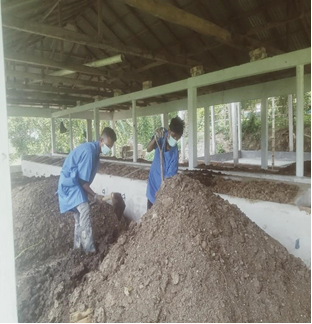
RUSTIC- Compost Plant

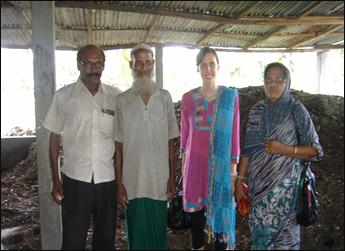
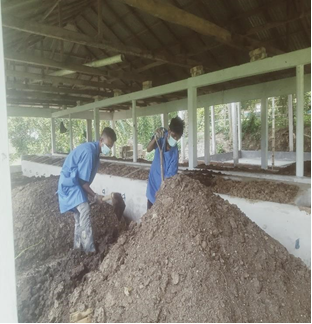
(Shahpur Bazar Waste Management Program) Supported by ABT- Manage feed future Bangladesh neuration activities (Market waste management program) RUSTIC successfully unveils its new compost production plant in July 2024, located in the Shahpur Bazar, Dumuria in Khulna. RUSTIC compost Plant , is incorporated as a private limited company under the laws of Bangladesh. The company's headquarters and production facility will be located strategically in the Khulna district to ensure efficient distribution across the targeted geographic coverage area. It plans to lead in high-quality, eco-friendly compost production in Khulna, Bagerhat, and Shatkhira districts of Khulna Division. RUSTIC will operate with a commitment to sustainability, innovation, and customer satisfaction. This new facility harnesses local market waste to produce premium compost, aims to boost soil fertility and sustainable agriculture while, setting a new standard for waste management and sustainability that offers income generating activities to youth and underprivileged group of people of this area and cost-effective solutions for the farmers. Purpose and Need RUSTIC compost Plant. helps with the pressing challenge of efficient waste management and fertilization solutions for soil. This Will be done by converting the organic waste into a valuable compost. The project decreases landfill use and improves soil health, an essential for sustainable agriculture in the region. a. Decrease Waste: Turn trash at local markets into rich compost instead of waste destined for landfill. High population density in the Asian countries leads to enormous solid waste, and markets are always abuzz with thousands of people engaged in business. Problems with garbage disposal faced by cities such as Dhaka, Khulna which produce thousands of tons waste daily. Failure to manage this waste properly can create pollution and lead to landfills that degrade the local ecosystems as well as contribute greenhouse gas emissions, which causes climate change. b. Sustainable Agriculture: Enhancing soil fertility and agricultural productivity with nutrient rich compost. Farmers in these regions often rely on chemical fertilizers, which can harm the environment by leaching into water sources and reducing soil health. By providing high-quality, affordable organic compost, the project supports a shift toward eco-friendly farming practices. Organic compost enriches the soil naturally, reducing the need for synthetic fertilizers, and helps improve soil structure and water retention. This approach not only boosts agricultural productivity but also minimizes environmental impact, fostering a healthier ecosystem. c. Generate income for local communities: by blending waste collection and compost making in the source place itself along with economic growth. Unemployment in a great concern for the current generation. They must be involved in income generating activities. This compost processing unit involves many locals in income generating activities. Key Objectives- i. Organic Waste Utilization: The project will set up a mechanism to effectively turn market-sourced organic waste into premium compost. Some crucial actions are involved in this process: • Collection and Segregation: separating organic waste from non-organic materials by using an organized method to gather and sort it from market vendors. • Processing: converting organic waste into nutrient-rich compost by using composting processes. Established composting facilities with the required infrastructure and monitoring systems is needed for this. • Quality Control: Ensuring through routine testing and quality assurance procedures that the compost produced satisfies agricultural and environmental criteria. • Distribution: Providing the compost to local farmers and agricultural enterprises, promoting its use as a natural fertilizer. This will help reduce the reliance on synthetic fertilizers, which can contribute to soil degradation and water pollution. ii. Waste Reduction: The project will focus on significantly decreasing the volume of waste sent to landfills and promoting recycling through several strategic actions: • Waste Segregation and Collection: Developing an effective waste segregation system at the source, where market waste is sorted into categories such as organic, recyclable, and non-recyclable materials. This will involve providing appropriate bins and training for market vendors. • Recycling Initiatives: Establishing partnerships with local recycling facilities to ensure that recyclable materials are properly processed and repurposed. This may include materials like plastics, metals, and glass. • Public Education and Engagement: Launching campaigns to educate market vendors, consumers, and the broader community about the importance of waste reduction and recycling. This will involve workshops, informational materials, and community events. • Monitoring and Evaluation: Implementing a system to track waste generation, segregation rates, and recycling performance. This will help identify areas for improvement and measure the effectiveness of waste reduction strategies. Through converting organic market waste into compost, the project will not only help reduce greenhouse gas emissions but also provide a sustainable alternative to chemical fertilizers, supporting eco-friendly agricultural practices. Addressing these areas RUSTIC compost Plant aims to minimize the environmental impact of waste, reduce the burden on landfills, and promote a circular economy where materials are reused and recycled, ultimately contributing to a more sustainable and cleaner environment. Expected Outcomes • Environmental Impact: Significant reduction in waste and improved soil health, fostering sustainable agricultural practices in this area. • Community Empowerment: Enhanced livelihoods through new job opportunities and economic activities related to compost production and distribution. • Agricultural Sustainability: Increased crop yields and reduced reliance on chemical fertilizers, promoting long-term food security. This initiative paves the way for a greener future and also builds a resilient local economy, proving that sustainability and community development go hand in hand. RUSTIC compost Plant aims to transform waste management and agricultural practices in the Khulna Division. With a strong commitment to maintain high quality, standers and prioritized customer satisfaction. RUSTIC compost Plant is poised to make a significant contribution to the agricultural sector in Khulna Division by providing innovative, sustainable solutions to farmers' fertilizer needs. With a focus on product quality, customer satisfaction, and environmental stewardship, RUSTIC is well positioned for success and growth in the dynamic organic fertilizer market of Bangladesh.
Organization Building

Organisation Building and Institutionalisation Programme

Organisation Building and Institutionalisation Programme
Empowering Grassroots Democracy and Local Governance Accountability

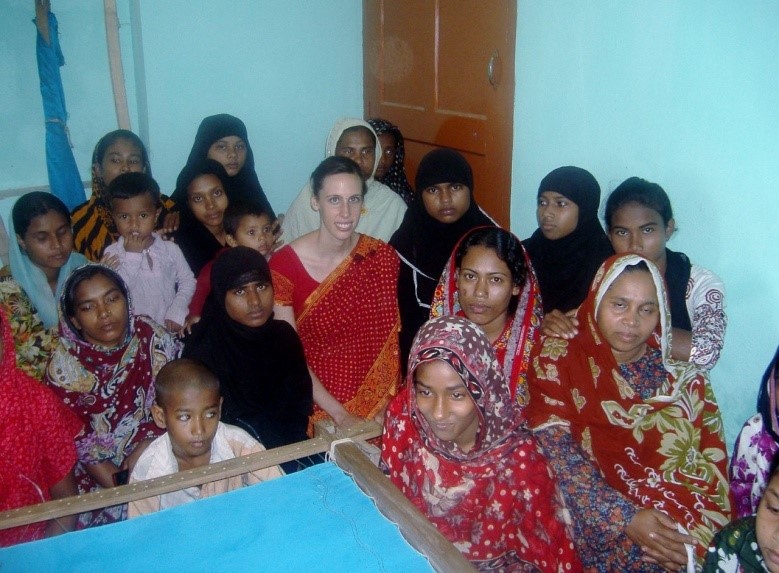
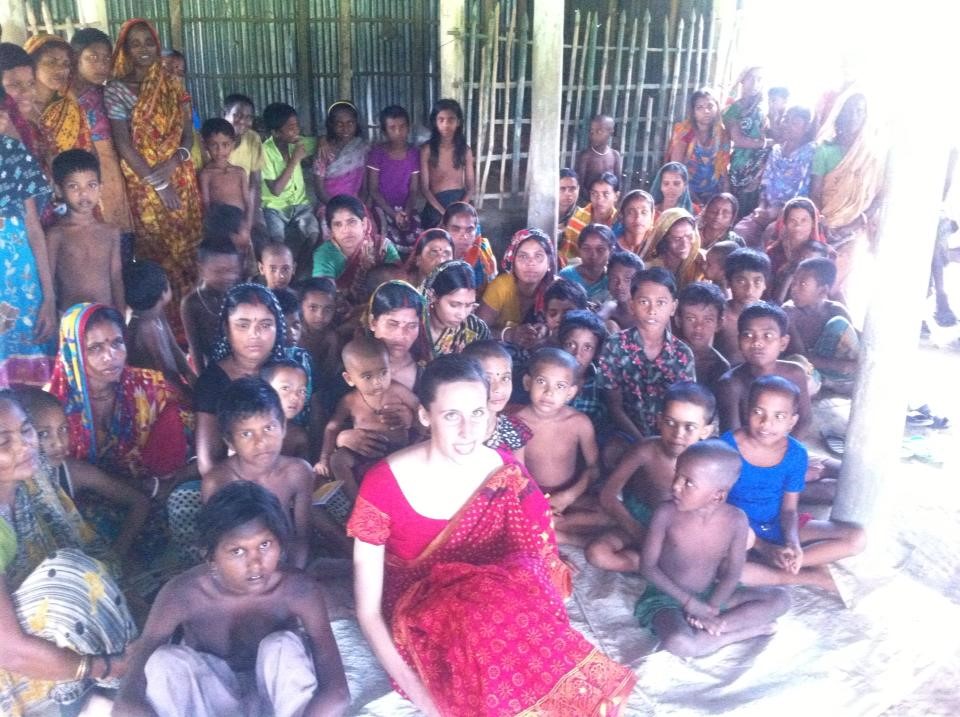
RUSTIC executes the programme two steps: (1) enhancing groups of poor; and (2) building unity of local development initiators (NGOs, CBOs, etc.) The primary target groups of RUSTIC are the isolated poor and hardcore poor grassroots families. This programme helps unite people at the grassroots level and strengthen their capacity. RUSTIC focuses particularly on strengthening the capacity of the groups and making them self- motivated. To achieve this goal, group members are challenged to critically analyse themselves. They become involved in necessary skill development, income generating activities (IGA), and savings management activities. In addition, RUSTIC encourages all the groups to unite further through federations at village and union levels. Whereas the head of the groups and federations receive training from RUSTIC on leadership qualities, the rest of the general members participate in a series of awareness sessions. These include cross cutting socio-economic and political issues such as Women’s Rights, Child’s Rights, Safe Environment and Poverty Reduction. There are frequent exchanges and dissemination of information between RUSTIC and the groups and federations. RUSTIC supports about 4,580 underprivileged people through 243 female and male groups. Each group has an average of 20 members who gather weekly for group meetings and money saving.

Food Security & Self-Reliance

Cooperative of Farmer

Cooperative of Farmer
Empowering local farmers through sustainable cooperative models and agricultural growth.

RUSTIC formed a local-based farmers’ association to market products and run a small trade of its group members. This association plays a supportive role to protect and preserve farmer’s various rights and privileges. This includes dealing with short-term capital crises, enhancing awareness of Fair Trade facts, and ensuring direct supply and fair price of their products.

Education & HRD

Voter Education, Observation and Monitoring

Voter Education, Observation and Monitoring
Empowering citizens through voter education and election observation.

RUSTIC believes that voters have a key role in ensuring and strengthening the democracy of a country. As a result, RUSTIC, in partnership with the development organization BROTEE, has implemented a project to strengthen citizens’ rights. The project activities include voter awareness and advocacy and focuses on vulnerable groups (women, religious and ethnic minorities, pre- and post-election observation and monitoring of national, Union Parishad, Pourasabha (municipality), City corporation and bi-elections in the country). RUSTIC implemented this project at Fakirhat, Mollahat and Chitalmari Upazilas of Bagerhat district between 2005 and 2009.

Organization Building

Local Government Strength

Local Government Strength
Strengthening Local Government for Inclusive Governance and Growth

RUSTIC believes strengthening local government is essential for the sound contribution to the democratic process. To achieve its aims, RUSTIC aims to increase access and involvement of people in the governance

Organization Building

Networking with Local NGOS

Networking with Local NGOS
Strengthening Local Development Networks & Organizational Capacity

RUSTIC connects with various local forums, national forums and networks of development associations to enhance capacity of the development organisations, increase access to resources, and contribute to the policy planning. The Climate Change Effects Defender’s Association of Bangladesh (CEDAB network) is a noteworthy achievement as it is currently composed of 38 NGOs and a consultancy firm since July 2008.

Climate & Environment

VGD Programme

VGD Programme
Building Community Resilience against Climate Disasters in Morrelgonj

RUSTIC shall aim to improve the socio-economic status of 2010 VGD women and make best effort in materializing it.The main objectives are to build the income-earning capacites of VGD women and to socially empower them through training on awarness raising, provision of training on variety of income generating Activites (IGAs), provision of credit and other support services during and beyond the food assistance period. VGD women shall graduate into the cover development programme of NGO after completion of the contract period and NGO shall continue the follow up services to the VGD women for three years after the completion of VGD cycle in morelgonj upajala under Bagerhat District.

Education & HRD

EDUCATION AND HUMAN RESOURCE DEVELOPMENT PROGRAMME

EDUCATION AND HUMAN RESOURCE DEVELOPMENT PROGRAMME
Empowering Vulnerable Communities through Adult Literacy & Vocational Training

RUSTIC believes education is an important tool to fight poverty. Improvement of socio-cultural and economic growth opportunities is also integral to improving overall livelihood. This is especially relevant in Bangladesh as the adult literacy rate (7 years and above) is 77.82%. (Source: World Bank literacy survey 2020) and the children dropout rate from primary school stands at 47% (Source: The New Humanitarian 2007). Although from the outset, these numbers may look acceptable enough, but the fact is that these numbers are hugely inflated and grossly of the mark of the real situation on the ground. From its inception RUSTIC has provided non-formal education along with vocational and skill development training to the socially marginalized sweeper and town-scavenger communities in the neighbouring areas of Khulna City Corporation- KCC. Under the provision of the project, many adults received non-formal education through various adult literacy centres in the working areas. After the official end of the project, RUSTIC continued to operate three centres in the KCC area with its own resources. The programme has been replicated in other areas and has received support from the NFPE programmes of BRAC, PROSHIKA and GoBs (1997 to 2002). RUSTIC also implemented ‘Education of Hazardous Child Labour in Bangladesh’ funded by the Ministry of Labour and Employment during 2006-07. These RUSTIC programs have increased basic literacy levels, upgraded the skills of the neo-literate, and provided individuals with the opportunity to improve their quality of life

Education & HRD

Sustainable Development of Adolescent Girls through Education and Vocational Training

Sustainable Development of Adolescent Girls through Education and Vocational Training
Empowering Slum Adolescent Girls through Education and Vocational Skills

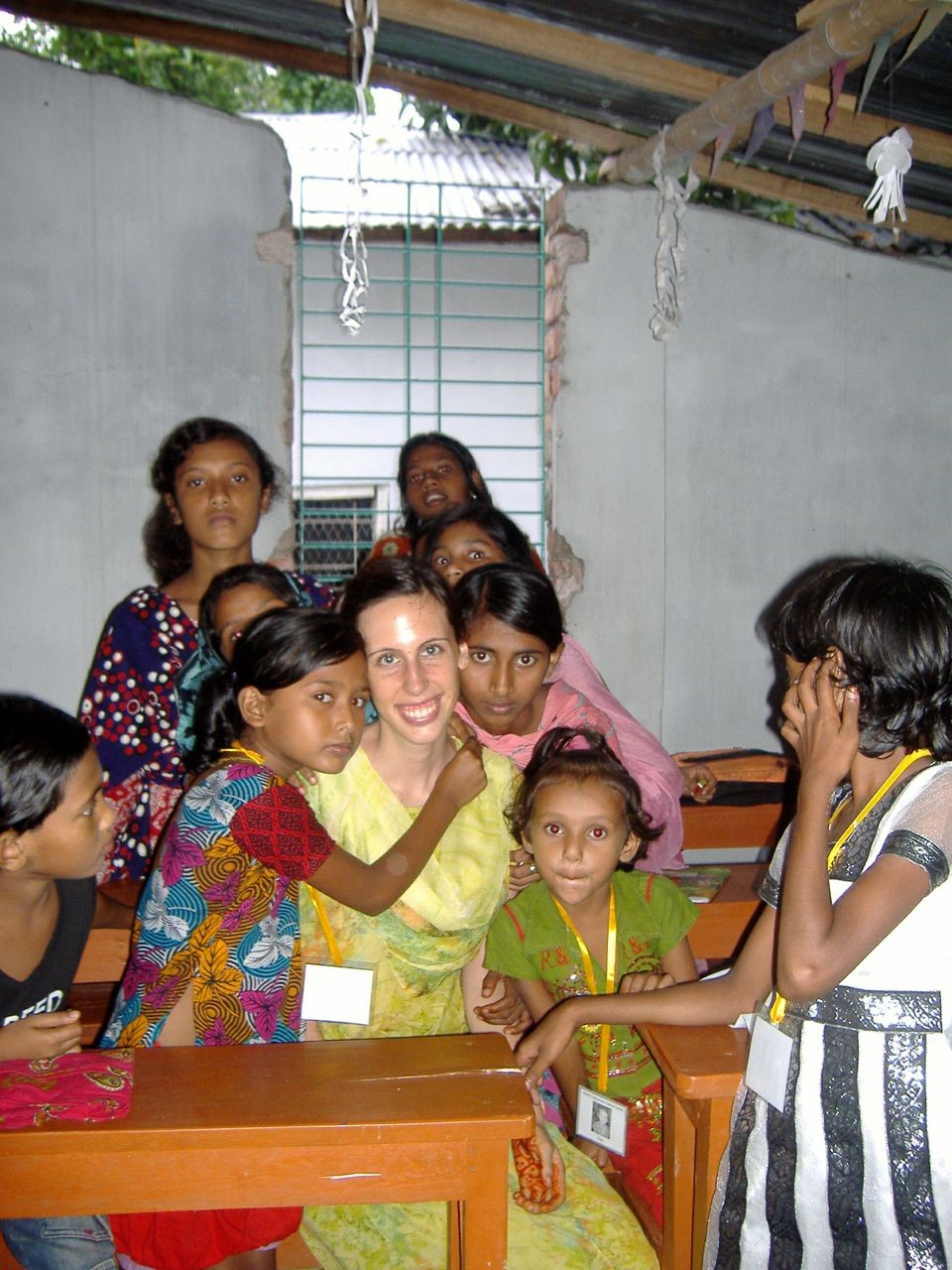
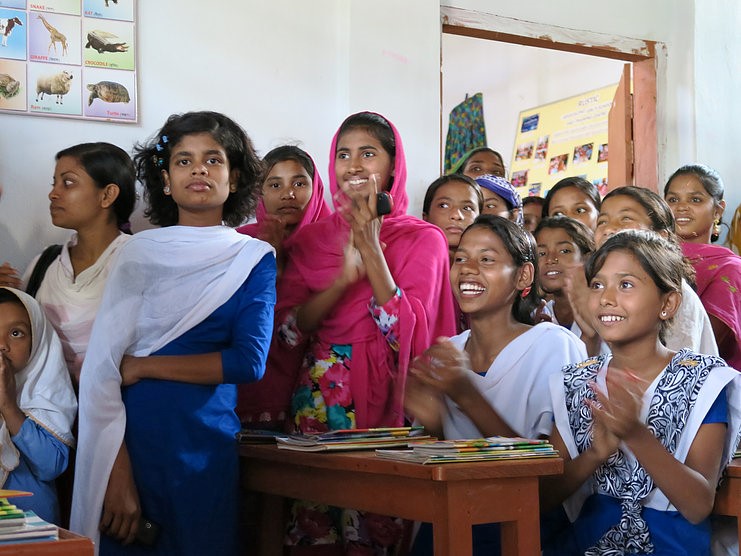
Starting in 2007, RUSTIC, with the support from its own and the community, took the initiative to educate adolescent girls threatened with social vulnerabilities in the Sonadanga slum areas of Khulna. SHGO (Seven Hills Global Outreach) has been supporting the project since 2011. This support enables the project to establish a new school building and acquire necessary educational and vocational equipments. A well composed team has been developed for the centre operation including a Program Officer, three teacher cum trainers, and two support staff. At present, 40 slum dwelling adolescent girls of Sonadanga are involved with the program. For long-term operation and sustainability, RUSTIC hopes to develop and facilitate the school centres further with quality and information technology (IT) based skill development activities, ensuring the sound health and nutritional status of the target population.

Education & HRD

Non Formal Education as Part of Eradication of Hazardous Child Labour in Bangladesh

Non Formal Education as Part of Eradication of Hazardous Child Labour in Bangladesh
Eradicating Hazardous Child Labour Through Non-Formal Education

In Bangladesh, Child labour is a common scene. You will be hard-pressed not to find shops within the bazar environment where there is no under-aged employee being employed. Worse, these minors are expected to perform same as an adult failure of which can lead to physical abuse and mental torture. RUSTIC has been on the forefront to support any intervention that involves saving the lives of minors. To that end, in September 2006, through the financing of the Ministry of Labour, RUSTIC launched a Non-Formal Education initiative in Daulatpur region within the Khulna District. In this program, two catchments helped educate 360 students each a total of 720 in total. Our programme afforded to remove these children from the ‘child labour loop’ and helped them to find employment in better working environment once they completed education and became teenaged children. RUSTIC believes that not enough is done for this vulnerable segment of the population and we encourage donor as well as the GoB to take more and more sustained action to save these innocent lives.

Food Security & Self-Reliance

FOOD SECURITY AND ECONOMIC SALF-RELIANCE PROGRAMME

FOOD SECURITY AND ECONOMIC SALF-RELIANCE PROGRAMME
Promoting Integrated Organic Farming and Sustainable Agriculture in Waterlogged Areas

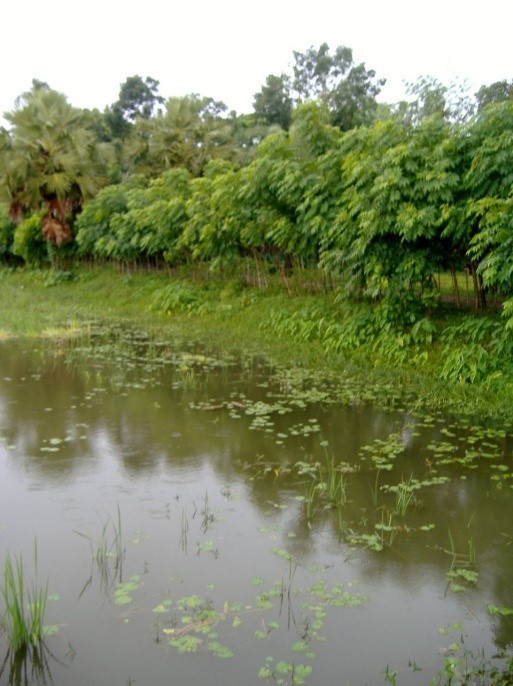
RUSTIC implements this programme in two major components: (1) Sustainable Agriculture Component, and (2) Micro- entrepreneurship Component. Sustainable Agriculture Component RUSTIC considers some factors of ‘Sustainable Agriculture’ as vital issues in materializing the programme effectively: a) Innovation and Technology Transfer; b) Alternative Agriculture at the Water Logging Area; c) Entrepreneurship Important activities under the component are described below: The coastal area of Bangladesh is one of the most complex, biologically rich and productive ecosystems in the world. A previous Coastal Embankment Project was implemented to increase agricultural yield and protect human settlements. However, this project had adverse environmental impacts like enhanced siltation of rivers, drainage congestion and water logging in the area. As a result people started fisheries and other activities to fulfil their basic needs. Despite these steps, what the people really needed was a well-planned and integrated alternative agriculture system to ensure sustainability. To meet this need, RUSTIC has been conducting similar activities in this programme. Integrated organic farming is an innovation by RUSTIC. It provides skill development training on prawn-fish poly-culture, fish in paddy land, homestead gardening, vegetable cultivation on the pond banks or boundaries of agrarian lands, use of organic compost to protect soil quality, livestock, poultry rearing and many more. The programme also provides skill based training on agro based entrepreneurship such as the development of marketing and market channels, IGAs, integrated pest management and organic farming. The project activities include improving motivation and awareness building of its stakeholders through workshops, seminars, and distribution of posters and leaflets. RUSTIC continues the programme activities by providing necessary training and equipment support, sharing the cost between beneficiaries and RUSTIC’s own funding sources after the project’s end.

Food Security & Self-Reliance

Aquaculture

Aquaculture
Promoting Sustainable Aquaculture and Livelihoods in Waterlogged Areas

RUSTIC has acquired skills on aquaculture from the experience in different projects in the waterlogged areas and with different donors over last 15 years. Common objectives of these projects include creating part-time employment for rural unemployed people who have access to open water bodies (like rivers, canals, wetlands) or ghers (an artificially created catchment of water exclusively designed for fish-farming), ponds, etc. Major projects implemented under the sub-components are: • ‘Technology and information dissemination of prawn-fish poly-culture’ in collaboration with PROSHIKA (MUK), DAE and ASIRP (2001 to 2004), • Cages Aquaculture, experimental technology transfer project, support by CARE Bangladesh (2002-2003) and • ‘Aseptic Culture and Post Harvest Technology of Prawn & Shrimp’ in collaboration with Fisheries Ministry of GoB. RUSTIC merged all the activities of above projects with own programmes and funds.

Food Security & Self-Reliance

Livestock Rearing

Livestock Rearing
Promoting Livestock Rearing and Sustainable Livelihoods for Rural Families

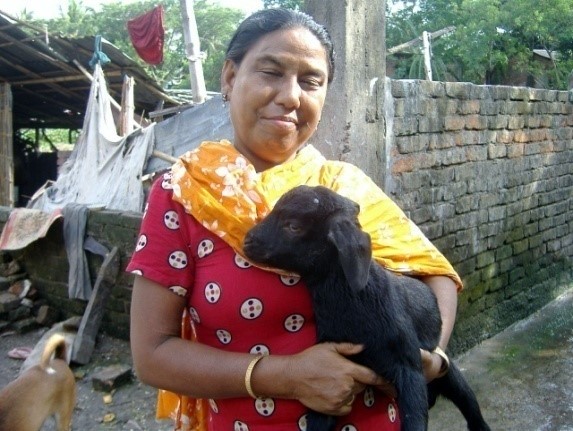
Recently the programme of RUSTIC is extended to livestock activities, especially with ‘Goat Rearing’ and ‘Beef Fattening’ activities. RUSTIC started a small farm to gather practical experience and influence the people to follow GoB manual in this regard.

Food Security & Self-Reliance

Alternative Agriculture in the Saline Water Area

Alternative Agriculture in the Saline Water Area
Climate-Resilient Alternative Agriculture for Coastal Farming Communities

Due to the effects of climate change, more and more land in this area is affected by salinity. As a result it is essential to adopt alternative agriculture in the saline water area. RUSTIC has been keeping close connection with the relevant GoB departments for their guidelines on the issue and is currently searching for implementing partners to materialize those guidelines.

Food Security & Self-Reliance

Micro-Entrepreneurship Component

Micro-Entrepreneurship Component
Fostering Self-Reliance Through Skill Development and Micro-Capital Support

Since almost half of the population of Bangladesh lives below the poverty line, food security is vitally important to the poor. The situation in the working areas (Khulna, Bagerhat and Satkhira districts) is much worse because of the impact of natural disasters (i.e. cyclones, tidal surges etc.), saline water (due to shrimp and prawn cultivation), and water logging (due to ill-planned embankments). While natural disasters devastate lives and permanent possessions, salinity and water logging snatch away their livelihoods and employment opportunities. As a result, RUSTIC implements its micro-entrepreneurship component to ensure sustainable development and bring about a positive change for the poor and hardcore poor. RUSTIC operates this programme group and individual practices. In the rural areas, RUSTIC provides support in the group approach and facilitates agro-based entrepreneurship. Conversely, it adopts the individual approach in the urban areas (Sonadanga slum of KCC) to facilitate trade and product-based entrepreneurship. In both the cases, RUSTIC begins by providing need base skill development training to facilitate entrepreneurial initiatives. Then it takes the following steps gradually: accumulation of savings, operating revolving loan fund, transferring assets among the hardcore poor and facilitating the development of market channels.

Climate & Environment

Solid Waste Management

Solid Waste Management
Pioneering Circular Waste Economy & Methane Reduction in Khulna City

Solid waste management is one of RUSTIC’s most impressive programs. Its main objective is to mitigate methane gas in order to reduce global warming. RUSTIC has been implementing its Community Based Municipal Solid Waste Management Project (CBMSWMP) since 1997, collecting household garbage door to door in Khulna City Corporation (KCC). This has been a comprehensive project between BEMP, RUSTIC and KCC. Even after project duration, RUSTIC has continued with the project through community supports and its own IGA. A waste management plant is set up on 47 decimals of land. This plot produces organic fertilizer that is then disbursed among the farmers. RUSTIC produces 1.6 to 1.8 metric tons of organic fertilizer and collects nearly 3.0 –3.5 metric tons of solid waste from 4200 selected households daily. The innovation earned a distinguished recognition to Moral Noor Mohammad, Chief Executive of RUSTIC from ASHOKA Innovators for the Public, USA.

Climate & Environment

Vermicompost And Vermiculture Programme

Vermicompost And Vermiculture  Programme
Eco-Friendly Organic Waste Recycling and Biodiversity Conservation

The ‘Vermicompost & Vermiculture’ project is another RUSTIC innovation that is implemented mainly for recycling organic solid waste and protection of biodiversity. Goals of the project include ensuring favourable water ecology for aquatic flora and fauna, conserving snail bio-diversity, supporting prawn-fish polyculture, and cultivating green vegetables. The project started with the support from the Bangladesh Environmental Management Project (BEMP) and CIDA in the year 2002. It aims to increase awareness of the farmers, transfer environmentally friendly technology, and empower rural disadvantaged women through IGAs. RUSTIC has been continuing training support to the farmers utilizing its own resources.

Climate & Environment

Improved Cook Stove

Improved Cook Stove
Promoting Fuel-Efficient Improved Cook Stoves for Carbon Emission Reduction

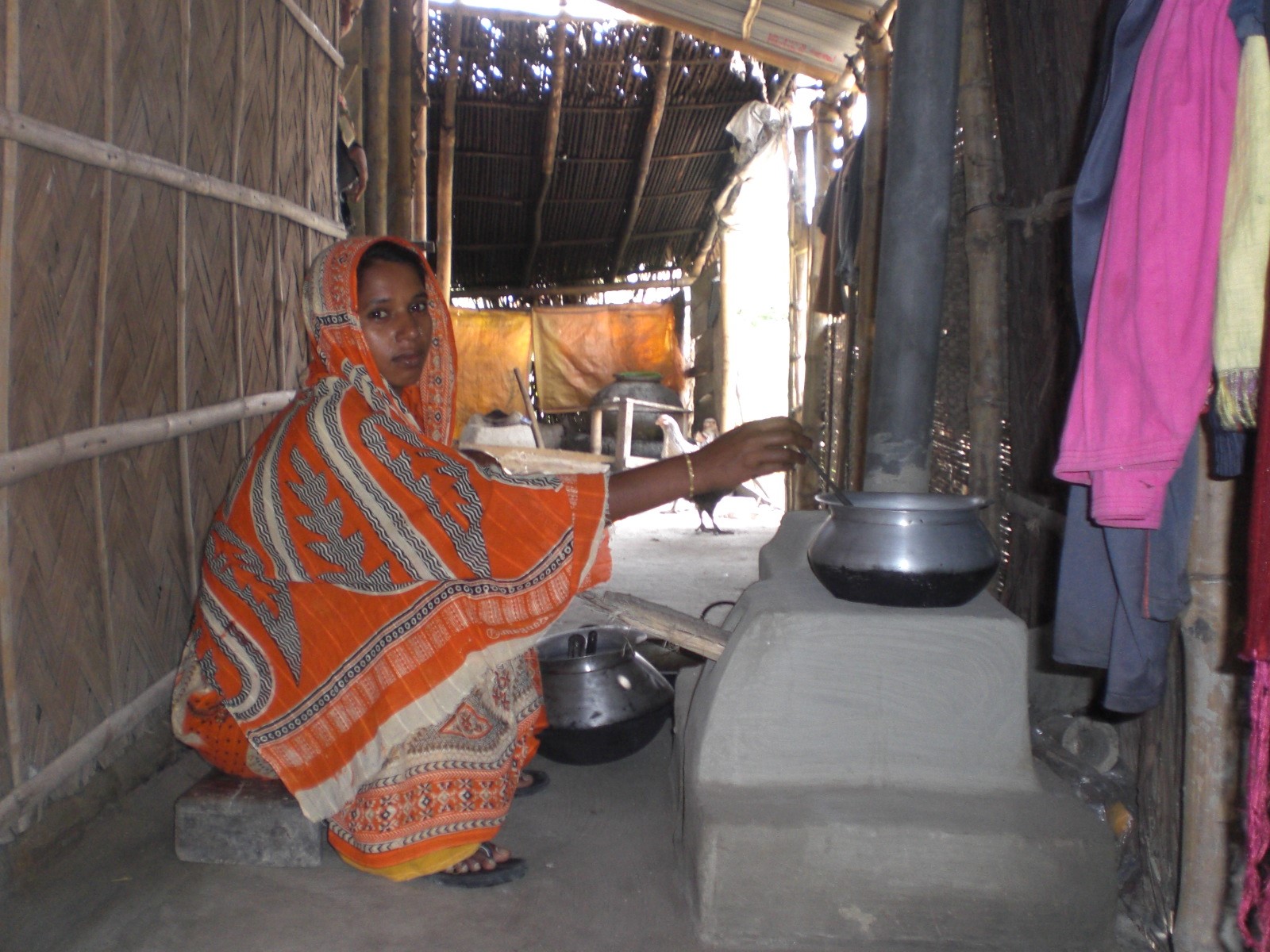
RUSTIC has successfully promoted the improved cook stoves in the working areas as well as the homesteads of B0angladesh. The cooker not only economizes the use of wood but also reduces carbon emission by controlling smoke. This project, funded by UNDP/GIZ and implemented by RUSTIC, is replicating very fast. Similarly, RUSTIC has enlisted the support of the Ministry of Environment of GoB to establish a Biogas plant. In KCC-UNDP funded UPPR Project, RUSTIC distributed 6,200 household with Improved Cook Stove which are economical and environment friendly than conventional cook stoves. The program included Set-up, Training and maintenance of the stoves.

Climate & Environment

CEDAB- NETWORK

CEDAB- NETWORK
Building Climate Resilience Through Civil Society Network & Advocacy

In order to raise the capacity of the local poor and to mitigate vulnerability to climate change effects, RUSTIC has developed a network titled ‘Climate Change Effects Defender’s Association of Bangladesh – CEDAB’. The network collects needed data, documents, and conducts research to ensure the formal organisational infrastructure. RUSTIC, as the lead organisation, is coordinating and maintaining the office of the network. All the thematic and technical support to CEDAB is provided by the consultant firm SOHOYOGEE.

Climate & Environment

Biogas Plant

Biogas Plant
Promoting Renewable Energy and Eco-Friendly Biogas Technology

Unclean stoves and fuel emanates toxic pollutants into the environment and endangers the health and wellbeing of billions across the globe. Household pollutants which put the families living in the home at risk of several health diseases and even death because of open fires. Insufficient stove create the use of open fires and insufficient stoves in cooking emits black carbon and other pollutants, contributes to climate changing, sea ice melting and the deforestation. Women, in particular are exposed to unhealthy pollutants released by cooking with biomass fuels, (ex. Wood, charcoal), and outdated stoves. The time dedicated to cooking and collecting fuel also interferes with their ability to attend school and generate income. People in need of humanitarian assistance living in aid camps most often cook using biomass fuels, exposing them to harmful, unhealthy pollutants and putting them at risk for additional harm. RUSTIC’s biogas plant transforms waste (like cow dung, kitchen scraps, and human sludge) into a usable gas and a safe fertilizer. By using a design similar to that of a septic tank, the biogas plant facilitates the harnessing and storage of gas. The biogas plant is composed of four main parts. First, there is an above ground round chamber for initial sludge deposits. This chamber contains a stirring mechanism to break up any large pieces of waste. Second, a pipe connects the above-ground chamber to an underground settler. Sludge remains underground for about three days to reach the correct temperature and remove harmful pathogens. Third, the underground chamber is connected to an above-ground pit. After being dried, the sludge in the pit can be used as fertilizer. Finally, a tube connects the underground settler to household appliances like cookstoves. The biogas thus uses waste to deliver safe, effective, and environmentally friendly gas. Biogas can be utilized in numerous arenas. Domestically, it can be used for cooking, lighting, heating water, and running refrigerators, water pumps, and electric generators. It can also be used for drying crops and pumping water for irrigation. After the sludge has been placed in a drying bed, it can also be utilized as fertilization and a soil composition improver. As a result, the biogas plant not only reduces the pollution of surrounding areas, but it also reduces the need for chemical fertilizers. Under the project titled ‘Recycling of Urban Waste and Produce of Power’ (RUWPP), funded by Rural Polli Kormo Shahayak Foundation or PKSF, RUSTIC was able to provide 120 families with home-grown Biogas Plant in 2012. The effects of this have been staggering. Not only was there positive environmental effect, but it created an alternative source of energy for households which in effect helped the families in terms of savings both in financial and material sense.

Food Security & Self-Reliance

WATER AND SANITATION PROGRAMME

WATER AND SANITATION PROGRAMME
Providing safe drinking water and eco-friendly sanitation facilities in partnership with KCC-UNDP, Seven Hills Foundation, and BNF.

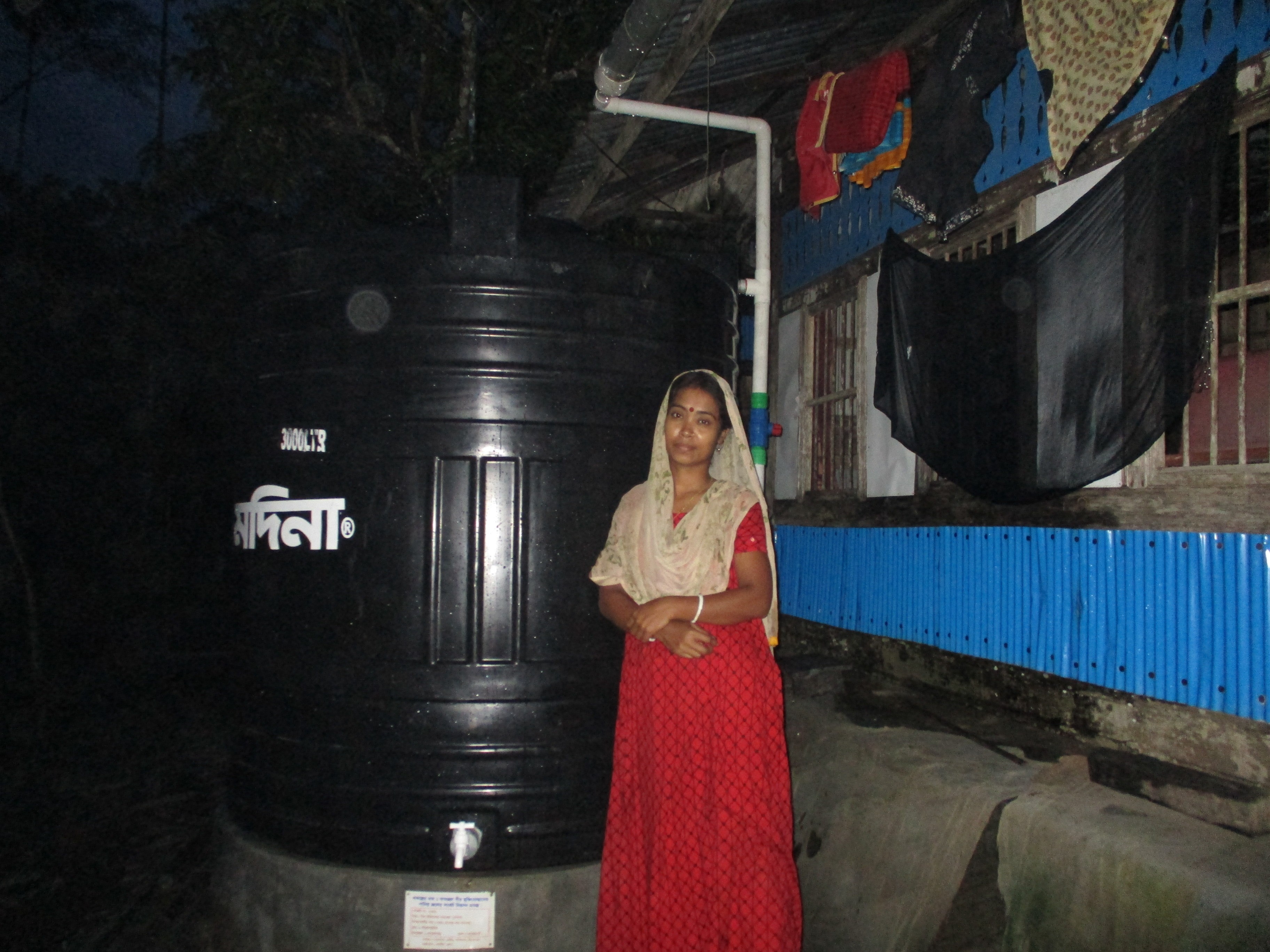
RUSTIC have been working in the frontlines of the sanitation activity long before the advent of COVID-19. Our efforts to educate and training of personal hygiene was designed to challenge some of the prevalent diseases such as arsenic, diarrhea and other water and air borne diseases. Our awareness and distribution supply-chain meant that when the COVID-19 came along we were quick to intervene and create awareness regarding the new trend of the disease. Some of our work included: a) RUSTIC provided more than 700 families with Toilet (Eastern Standard) using environment friendly bricks under the UPPR Project in a joint collaboration with KCC-UNDP. b) With the support of Seven Hills Foundation, RUSTIC was able to provide fresh water to 360 target families in KCC. c) With the support of Bangladesh NGO Foundation, RUSTIC provided necessary funding and mentoring in rain water harvesting with sanitation to 30 families in the Moralganj region in Bagerhat District. d) As mentioned above, RUSTIC launched an intervention immediately after the outbreak of COVID-19 and long before the government could relocate their assets in fighting the threat. RUSTIC was able to carry out much needed relief work at the time providing ration worth up to 15 Days, Facial Mask, Hand Sanitizer and brochure informing about the disease and how best to counter it to dozens of family. e) During Cyclone Bulbul and Amphan, RUSTIC was one of the first institution to respond by providing 360 target families with 1 week worth of ration and household repair in Sonadanga area of Khulna (KCC Ward # 17)

Education & HRD

Child’s Education Programme

Child’s Education Programme
Protecting Child Rights and Eradicating Child Labour for a Better Future

Though RUSTIC considers children and women rights as ‘cross-cutting issues’, it feels the necessity to implement projects regarding these two issues. To prevent and eliminate the worst form of child labour in Bangladesh, it implemented the project titled ‘Eradication of Hazards Child labour in Bangladesh’ supported by the Ministry of Labour and Employment in 2006. At present, the activities of this project are merged with the school activities of RUSTIC.

Rights & Healthcare

Primary Healthcare

Primary Healthcare
Ensuring Accessible Primary Healthcare for Women and Children

There are not enough healthcare services and facilities for the poor in the working areas of RUSTIC. The service is inadequately provided by the government and too expensive when provided from the private sector. As a result, RUSTIC has made provisions of primary healthcare for the women and children to reduce the health risk and expenditure of the poor families. RUSTIC is running an adolescent (education) centre for girls and expects to enhance its efforts with extended support from SHGO.

Climate & Environment

Door-to-Door Municipal Waste Collection (KCC)

Door-to-Door Municipal Waste Collection (KCC)
Urban Cleanliness

Daily collection of 3.0 to 3.5 tons of organic solid waste from 4,200 households across Khulna City Corporation using custom cycle-vans.

Rights & Healthcare

Safe Drinking Water

Safe Drinking Water
Ensuring Safe Drinking Water Access for Salinity and Arsenic Affected Families

Safe drinking water (especially to the poor population) is scarce because of the prevailing salinity. Sinking tube-wells are too costly for a poor individual or lower middle class family. The issue of arsenic compounds the problem of safe drinking water. To mitigate these effects, RUSTIC implemented a project to facilitate the supply of safe drinking water and sewerage facilities to the poor and hardcore poor families. Recently SHGO joined with this programme by sinking a sweet water tube-well.

Forestry & Conservation

Forestry for Carbon Management

Forestry for Carbon Management
Promoting Social Forestry and Afforestation for Carbon Management

RUSTIC, a non-profit organization based in Khulna, has been struggling for more than 20 years aiming at environmental protection and nature conservation, among other intervention areas. Forestry for Carbon Management is one of the major programs to check the carbon imbalance in air with the following 3 objectives in view: 6.6.1: Objectives______________________________________________________________ Objective-1: Avoided deforestation: Avoided deforestation refers to protection of native forest in areas that would otherwise be cleared for crops or grassland. Objective-2: Reforestation: Reforestation initiative refers to the natural or intentional restocking of existing forests and woodlands that have been depleted, usually through deforestation. Reforestation can be used to rectify or improve the quality of human life by soaking up pollution and dust from the air, rebuild natu-ral habitats and ecosystems, mitigate global warming since forests facilitate bio-sequestration of atmospheric carbon dioxide, and harvest for resources, particu-larly timber, but also non-timber forest products. Objective-3: Afforestation: Afforestation refers to the establishment of a forest or stand of trees in an area where there was no previous tree cover. Reforestation is the reestablishment of forest cover, either naturally (by natural seeding, coppice, or root suckers) or artificially (by direct seeding or planting). 6.6.2: Activities_______________________________________________________________ RUSTIC has been undertaking a wide range of activities as described below with local, national and international funding and non-funding assistances: Activity-1: Mass Awareness Campaign: Meetings are held at the community level at courtyards of victims communities, local educational institutions (schools, madrasas and colleges) as the first step towards grassroots level mobilization. Essay competitions and debate sessions are organized to make the stakeholders on forestry issues. RUSTIC has Youth Groups at the local level and a Youth Forum at the regional level. Activity-2: Advocacy and lobbying with key stakeholders: RUSTIC is in the leading role in organizing advocacy and lobbying events. Demonstrations, human chain, dialogues are regularly held with the key stakeholders to persuade the Government to promote environment-friendly projects and pressurize the Government to refrain from projects that have potentials to cause damage to the forestry coverage in Bangladesh. RUSTIC is now leading the movement against the “Coal-based Power Plant” project at Rampal which is sure to case substantial damage to the Sundarbans mangrove forest. RUSTIC is also very vocal to popularize the indirect deforestation of the Sundarbans mangrove forest through top dying of many trees due to increasing salinity. Activity-3: Afforestation: RUSTIC has undertaken several afforestation projects in the upazilas of Sharankhola and Mongla under Bagerhat district. A total of 16,500 tree saplings mehagony, raintree, Chambal and Pahari Neem) were planted along 16.5 KM roadside in 1998. About 60% of the trees have survived even after the cyclones of Sidr in 2007 and Aila in 2009. Current value of the trees are worth of Bangladesh Taka 300 million. USAID provided funding for the project through the Bangladesh Government and the project was managed by CARE-Bangladesh. 6.6.3: Achievements:_______ Despite constraints and limitations, RUSTIC has achieved the following results: a) Indiscriminate deforestation, especially in the Sundarban mangrove forest has been avoided with sincere Government and NGO collaborations; b) Massive reforestation projects have been implemented by the Government of Bangladesh, especially the Forest Department. The Sundarban mangrove forest have recovered loss of trees to a great extent; c) Popular movements against environment damaging projects have been firmly grounded; d) Afforestation projects have increased the forest coverage in the region from 9% to 14%. e) Affected communities have been financially benefitted through the Afforestation projects. f) Executed a textbook project of tree plantation on roadside which financed by CARE Bangladesh and coordinated by IFFD in 1998. g) In a joint partnership project between LGED and Care-Bangladesh titled, “Integrated Food for Development Project”, RUSTIC implemented a roadside tree plantation programme at Sarankhola, Bagerhat and Mongla, Bagerhat in 1998. h) Under Integrated Food For Development (IFFD), RUSTIC successfully conducted another initiative of Tree Plantation on Roadside in the same year.

Organization Building

Positive Youth Development (PYD)

Positive Youth Development (PYD)

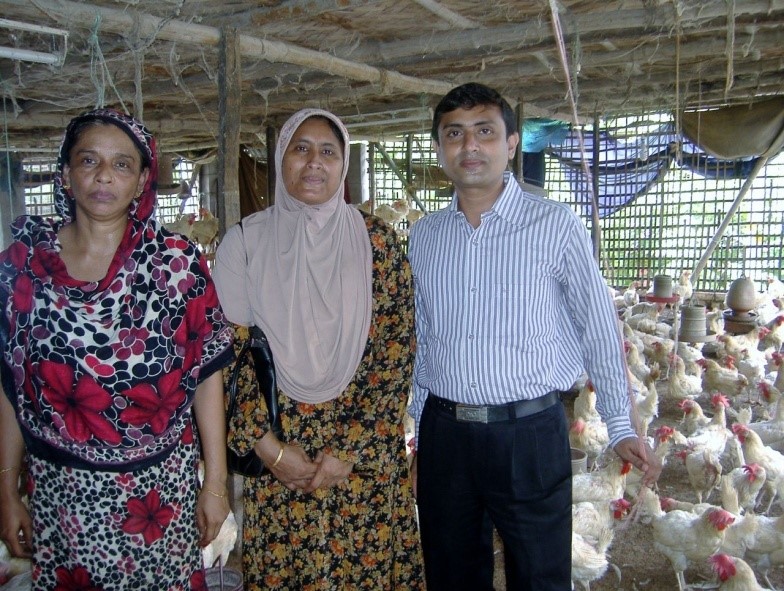
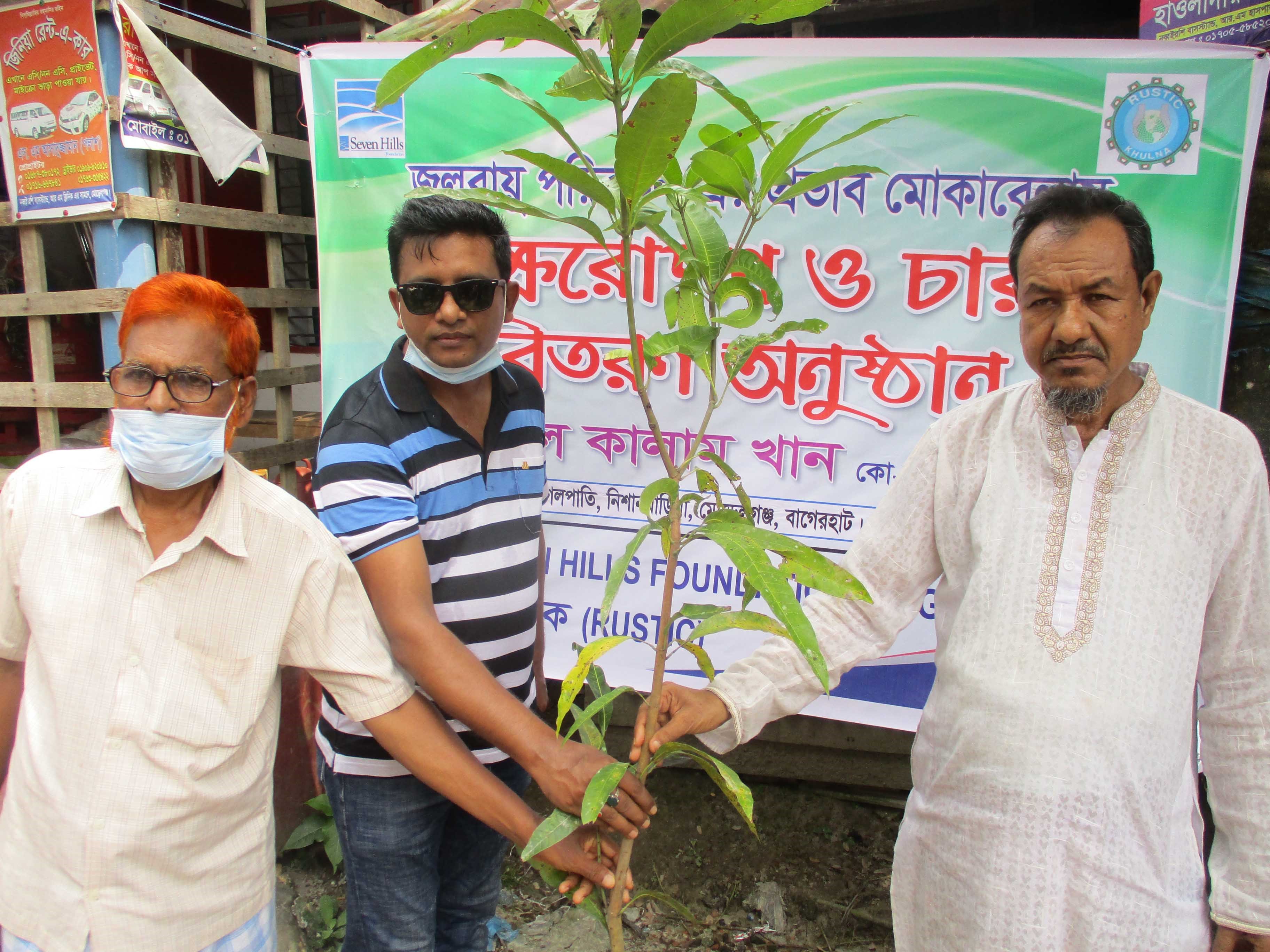
Seven Hills Global Outreach (SHGO) and Winrock International F2F Program have jointly contributed to development of RUSTIC’s Youth Group. Positive Youth Development (PYD) is now an essential cross-cutting matter of consideration in all the above 5 programs of RUSTIC. SHGO has been providing non-formal education to adolescent girls and training on tailoring, handicrafts and boutique to young women in urban areas. . Winrock International assigned Dr. Gary Lee Heusel under the John Ognowski and Doug Bereuter Farmer To Farmer Program to conduct a training course for 32 youth during Nov 28- Dec 6, 2015 to achieve the following objectives: • Increase knowledge and skills of RUSTIC-Youth Program trainers on youth development; • Increase knowledge and skills of youth in agriculture entrepreneurship; and • Increase awareness of youth about their potential and foster leadership development. Youth development topics included: essential elements of youth development and delivery methods for youth development programs, the organizational structure of successful youth development programs, high and low context environments for youth, experiential learning and evaluation of youth development programs. Leadership topics included: “Models and Styles of Leadership” with an emphasis and detailed analysis of why people who went to help or serve, often take a leadership role as a servant-leader. Entrepreneurship topics included: planning, goal setting, developing the vision and mission for the business, pricing strategies and marketing the product or service. Product, Place, Price, Promotion and Passion were discussed throughout the presentation. The three topics were integrated to show how youth development, leadership, and entrepreneurship are related. Topics from one presentation were often referenced in subsequent presentations. RUSTIC now has a Youth Group consisting of 2 Trainers, 3 Leaders and 27 agricultural entrepreneurs. This group is capable of providing training to youth for different agricultural enterprises like: aquaculture, beef, beetle leaf production, dairy, poultry, rice etc. RUSTIC is involving youth in program planning to ensure that the program is directed to the needs of the young people who are participating. This is based on the youth development segment of the training in which youth/adult partnerships were acknowledged as important. RUSTIC Youth group is working with the local department of Government Youth Development office to get training and gain partnerships. They have organized training and meeting to form cooperative marketing for some commodities. Because the majority of the products are agricultural produce, so it could be benefitted. This has resulted in more efficient and effective marketing with greater profit for those contributing products to the cooperative marketing effort. RUSTIC Youth group is trying to find a fair trade outlet for some of the sewing products. It should start with a small number of items being provided to a store in one or two locations. The fair trade store in Lincoln, Nebraska has shared necessary information in this respect.

Organization Building

RUSTIC- Compost Plant

RUSTIC- Compost Plant

(Market waste management program) Supported by ABT- Manage feed future Bangladesh neuration activities RUSTIC successfully unveils its new compost production plant in July 2024, located in the Shahpur Bazar, Dumuria in Khulna. RUSTIC compost Plant Ltd is incorporated as a private limited company under the laws of Bangladesh. The company's headquarters and production facility will be located strategically in the Khulna district to ensure efficient distribution across the targeted geographic coverage area. It plans to lead in high-quality, eco-friendly compost production in Khulna, Bagerhat, and Shatkhira districts of Khulna Division. RUSTIC will operate with a commitment to sustainability, innovation, and customer satisfaction. This new facility harnesses local market waste to produce premium compost, aims to boost soil fertility and sustainable agriculture while, setting a new standard for waste management and sustainability that offers income generating activities to youth and underprivileged group of people of this area and cost-effective solutions for the farmers. Purpose and Need RUSTIC compost Plant Ltd. helps with the pressing challenge of efficient waste management and fertilization solutions for soil. This Will be done by converting the organic waste into a valuable compost. The project decreases landfill use and improves soil health, an essential for sustainable agriculture in the region. a. Decrease Waste: Turn trash at local markets into rich compost instead of waste destined for landfill. High population density in the Asian countries leads to enormous solid waste, and markets are always abuzz with thousands of people engaged in business. Problems with garbage disposal faced by cities such as Dhaka, Khulna which produce thousands of tons waste daily. Failure to manage this waste properly can create pollution and lead to landfills that degrade the local ecosystems as well as contribute greenhouse gas emissions, which causes climate change. b. Sustainable Agriculture: Enhancing soil fertility and agricultural productivity with nutrient rich compost. Farmers in these regions often rely on chemical fertilizers, which can harm the environment by leaching into water sources and reducing soil health. By providing high-quality, affordable organic compost, the project supports a shift toward eco-friendly farming practices. Organic compost enriches the soil naturally, reducing the need for synthetic fertilizers, and helps improve soil structure and water retention. This approach Organization Profile of RUSTIC 27 not only boosts agricultural productivity but also minimizes environmental impact, fostering a healthier ecosystem. c. Generate income for local communities: by blending waste collection and compost making in the source place itself along with economic growth. Unemployment in a great concern for the current generation. They must be involved in income generating activities. This compost processing unit involves many locals in income generating activities. Key Objectives- i. Organic Waste Utilization: The project will set up a mechanism to effectively turn market-sourced organic waste into premium compost. Some crucial actions are involved in this process: • Collection and Segregation: separating organic waste from non-organic materials by using an organized method to gather and sort it from market vendors. • Processing: converting organic waste into nutrient-rich compost by using composting processes. Established composting facilities with the required infrastructure and monitoring systems is needed for this. • Quality Control: Ensuring through routine testing and quality assurance procedures that the compost produced satisfies agricultural and environmental criteria. • Distribution: Providing the compost to local farmers and agricultural enterprises, promoting its use as a natural fertilizer. This will help reduce the reliance on synthetic fertilizers, which can contribute to soil degradation and water pollution. ii. Waste Reduction: The project will focus on significantly decreasing the volume of waste sent to landfills and promoting recycling through several strategic actions: • Waste Segregation and Collection: Developing an effective waste segregation system at the source, where market waste is sorted into categories such as organic, recyclable, and non-recyclable materials. This will involve providing appropriate bins and training for market vendors. • Recycling Initiatives: Establishing partnerships with local recycling facilities to ensure that recyclable materials are properly processed and repurposed. This may include materials like plastics, metals, and glass. • Public Education and Engagement: Launching campaigns to educate market vendors, consumers, and the broader community about the importance of waste reduction and recycling. This will involve workshops, informational materials, and community events. • Monitoring and Evaluation: Implementing a system to track waste generation, segregation rates, and recycling performance. This will help identify areas for improvement and measure the effectiveness of waste reduction strategies. Through converting organic market waste into compost, the project will not only help reduce greenhouse gas emissions but also provide a sustainable alternative to chemical fertilizers, supporting eco-friendly agricultural practices. Addressing these areas RUSTIC compost Plant aims to minimize the environmental impact of waste, reduce the burden on landfills, and promote a circular economy where materials are reused and recycled, ultimately contributing to a more sustainable and cleaner environment. Expected Outcomes • Environmental Impact: Significant reduction in waste and improved soil health, fostering sustainable agricultural practices in this area. Organization Profile of RUSTIC 28 • Community Empowerment: Enhanced livelihoods through new job opportunities and economic activities related to compost production and distribution. • Agricultural Sustainability: Increased crop yields and reduced reliance on chemical fertilizers, promoting long-term food security. This initiative paves the way for a greener future and also builds a resilient local economy, proving that sustainability and community development go hand in hand. RUSTIC compost Plant aims to transform waste management and agricultural practices in the Khulna Division. With a strong commitment to maintain high quality, standers and prioritized customer satisfaction. RUSTIC compost Plant is poised to make a significant contribution to the agricultural sector in Khulna Division by providing innovative, sustainable solutions to farmers' fertilizer needs. With a focus on product quality, customer satisfaction, and environmental stewardship, RUSTIC is well positioned for success and growth in the dynamic organic fertilizer market of Bangladesh.
Organization Building

Human Resource Programme

Human Resource Programme

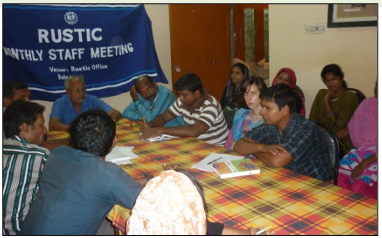
RUSTIC has three principal management organs for the decision making process. The supreme authority of this organization is ‘General Committee’ consisting of 31 members meeting once per year. The Executive Committee (EC) is comprised of 7 members and is elected from the members of General Committee for two years terms. The EC is the supreme policy making body for execution of projects and programmes of the organization. The Executive Director is the principal executive officer of the organization. All administrative and project personnel are under him, and they implement all the projects under his supervision. Permanent Staff:13 (Male: 8, Female: 5), Project Staff: 21 (Male: 9, Female: 12), Volunteer: 7 (Male: 3, Female: 4)

No Matching Programs Found

Try different search keywords or clear your active category filter.