Head Office: 6/1 Hazi Tomij Uddin Sorok, Banorgati, Sonadanga, Khulna-9100, Bangladesh
Geographical Footprint & Community Demographics

Where & With Whom We Work

Empowering ultra-poor, climate-displaced, and marginalized coastal populations across 11 Upazilas in Khulna, Bagerhat, Satkhira Districts of Southwestern Bangladesh.

3 Districts
Khulna, Bagerhat, Satkhira
11 Upazilas
Sub-Districts & City Metro
29 Unions
Coastal Unions & Urban Wards
11 Villages
Remote Communities Reached
8,020 Members
6,680 Female (83.3%) • 1,340 Male

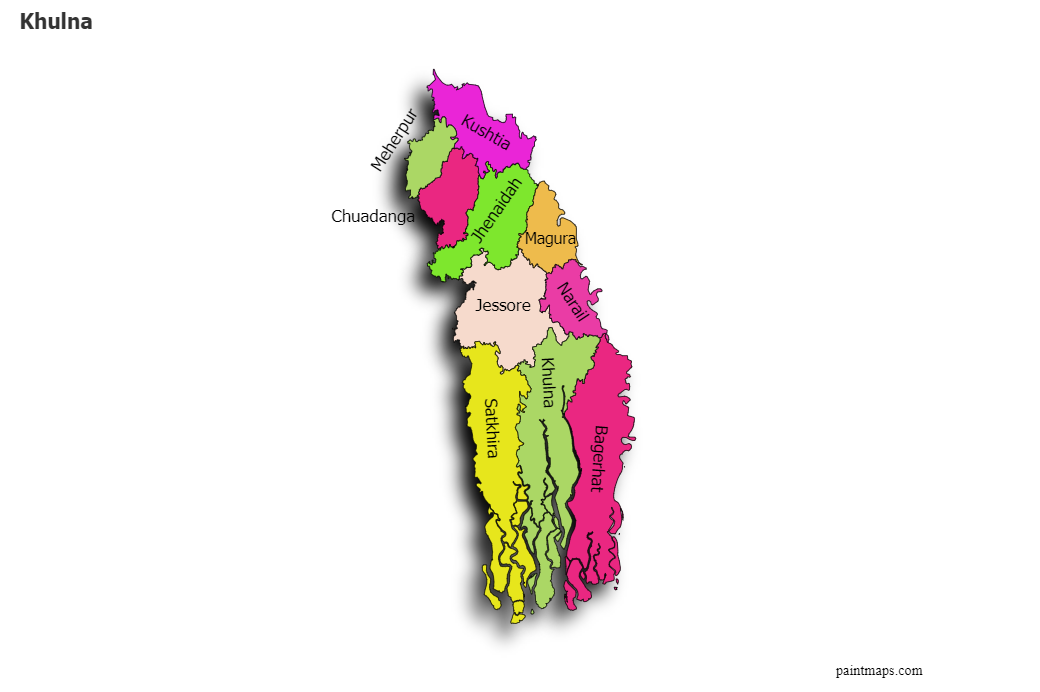
Map of Khulna Division

Official Map of Khulna Division Highlighting RUSTIC Districts
Click to Inspect Full Resolution
Khulna (KCC & Coastal Upazilas) Bagerhat (Sadar, Mongla, Upazilas) Satkhira (Coastal Belt)

RUSTIC Activities

“RUSTIC mainly works for the poor people in the South West region of Bangladesh specially Bagerhat, Khulna, and Satkhira by implementing various projects. It also works for sustainable environmental management and also works to mitigate the impact of global climate change on the coastal region of Bangladesh.”

RUSTIC Annual Institutional Mandate • 2024–2025

Area of Operation & Community Reach

Across southwestern coastal Bangladesh, RUSTIC operates grassroots programs covering 29 Unions and 11 Villages. The extensive coverage demonstrates RUSTIC's dedication to inclusive development, addressing the distinct requirements of both rural and urban communities.

Group Organization Approach

Capacity Strengthening
Organic Agriculture
Safe Water & WASH
Micro-Savings & RLF

Operational Area Demographics & Member Distribution

Breakdown across 11 Upazilas, 29 Unions, and 8,020 Grassroots Members.

District Upazila No of Union Villages / Areas No. of Members
Male Female Total
Khulna
Rupsha
WASH, Micro-savings, CBO groups
3 14 Villages 180 660 840
Digholia
Health, Mother & Child Nutrition
3 12 Villages 120 600 720
Batiaghata
WASH, Saline water mitigation, Agriculture
2 11 Villages 90 510 600
Terokhada
Adolescent education, Tailoring trades
2 9 Villages 70 490 560
Dumuria
Community climate adaptation, Micro-credit, Composting
3 18 Villages 210 870 1,080
Khulna City (KCC)
Urban slums WASH, Solid waste collection, Child schools
3 Slum Settlements 160 800 960
Bagerhat
Fakirhat
Rainwater harvesting, Shrimp farmer safety, Agroforestry
3 16 Villages 140 660 800
Mollahat
Primary healthcare, Deep tubewells
2 10 Villages 80 440 520
Rampal
Mangrove preservation, Disaster relief, Biogas
2 8 Villages 75 405 480
Mongla
Cyclone preparedness, Port slum education, Roadside forestry
3 15 Villages 110 650 760
Satkhira
Kaliganj
Salinity intrusion, Solar desalination plants, Aquaculture
3 16 Villages 105 595 700
Grand Total (11 Upazilas) 29 11 1,340 6,680 8,020
Male Beneficiaries: 1,340 (16.7%) Female Beneficiaries: 6,680 (83.3%)
Source: Official RUSTIC Operational Database

Hard-Core Poor (HCP) Criteria

RUSTIC adheres to stringent, community-verified poverty mapping protocols to ensure development programs prioritize the most destitute coastal households:

  • Landless Families: Households possessing less than 0.50 acres of cultivable land and no permanent asset base.
  • Seasonal Manual Wage Laborers: Wage earners dependent on precarious day-labor with acute food insecurity during lean months.
  • Female-Headed Coastal Households: Widows, divorced, and deserted coastal mothers lacking institutional economic support.
  • Climate-Displaced Riverbank Dwellers: Families rendered landless by acute tidal erosion residing on vulnerable embankments.

Group Savings & Revolving Fund (RLF)

To foster long-term economic independence and escape predatory local moneylenders, RUSTIC facilitates member-managed internal capital recycling:

  • Mandatory Weekly Micro-Savings: Systematic deposits pooled in joint commercial bank accounts co-managed by elected group leaders.
  • Emergency Internal Credit: Nominal or zero-interest emergency loans for medical crises, cyclone repairs, and education.
  • Productive Enterprise Capital: Revolving credit for duck farming, goat rearing, saline-resilient seeds, and homestead nurseries.
  • Transparent Audit Protocols: 100% financial transparency with individual passbooks audited openly in monthly meetings.