Institutional Background & Grassroots Evolution
Bangladesh is a developing country in south-east Asia with a population of over 148 million. Over 47 million of these people are living below the poverty line, the most vulnerable of which being the women and children.
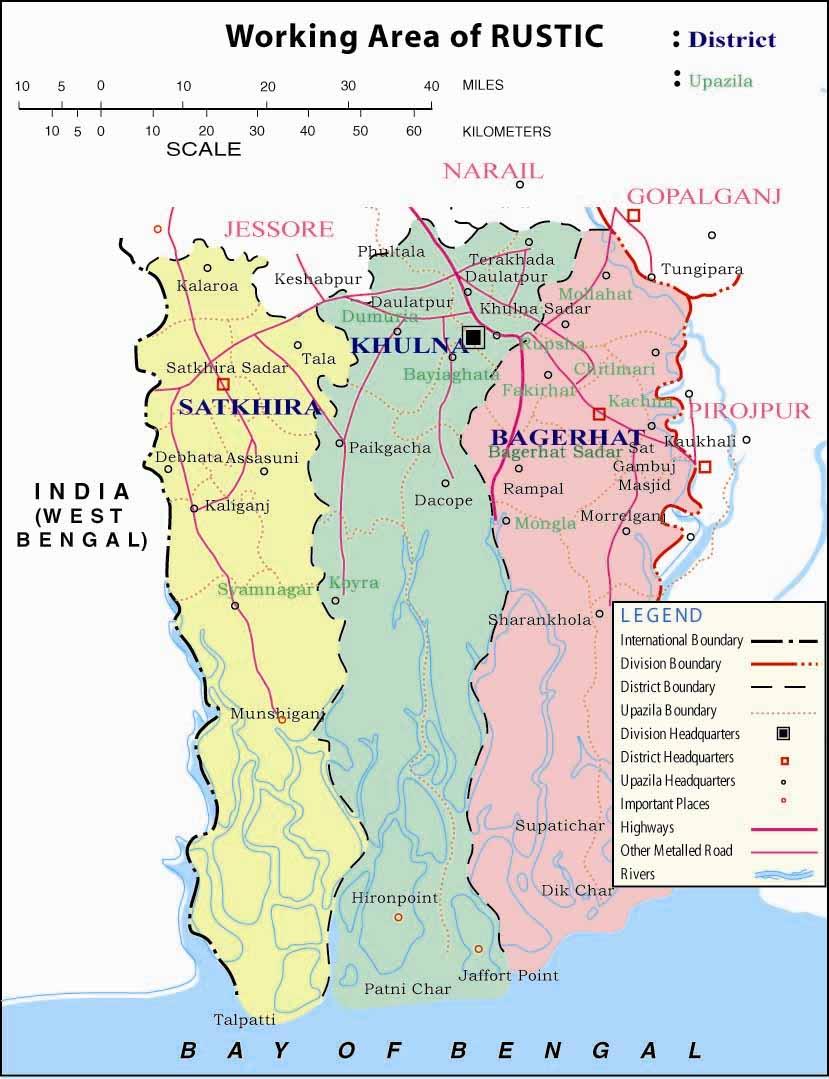
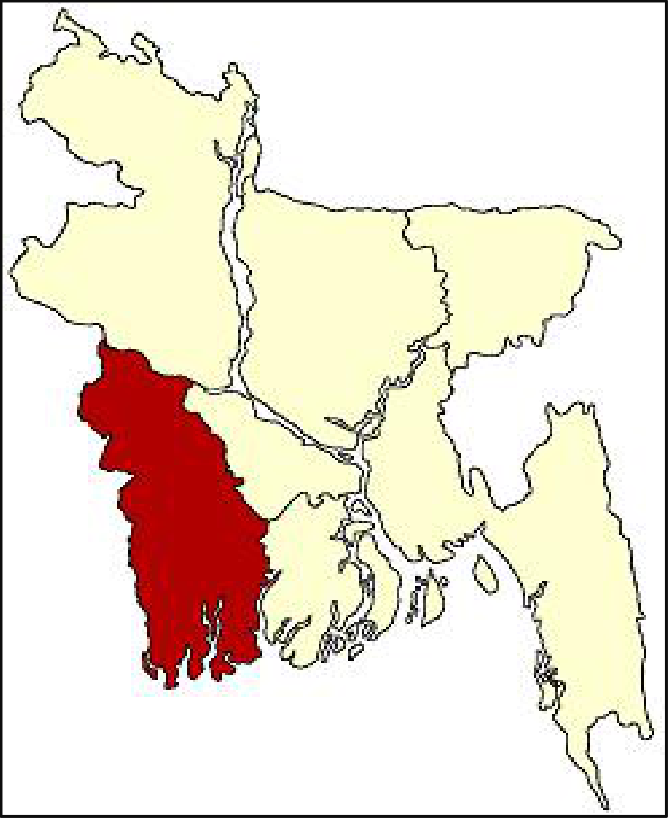
The Khulna region, including Bagerhat, is located in the remote south-western part of the country. The disaster prone coastal area has endured at least five major or large scale natural disasters within last 15 years, including Sidr, Iila, Amphan and Reshmi- all taking place in the last decade. It also stands at a distance from the major economic center of Dhaka. The infrastructure is poor and communication can at times be treacherous. As a result, the region is vulnerable to socioeconomic challenges.
Disasters, both natural (the environment) and man-made (the economy) are the root causes of the issue. Lack of education and absence of comprehensive data means that these problems are compounded in terms of deciding the ground reality and set correct course of action. Despite enormous possibilities (Khulna is the second largest sea-port in the country), rampant and non-stop de-industrialization adds fuel to the worst case scenario. At least 230 large and small industries shut down or called lay-offs in the region in last two decades.
COVID-19 has worsened an already fragile situation to say the least. This dealt a heavy blow to an already under-employed population, especially for the urban or pro-urban populations.
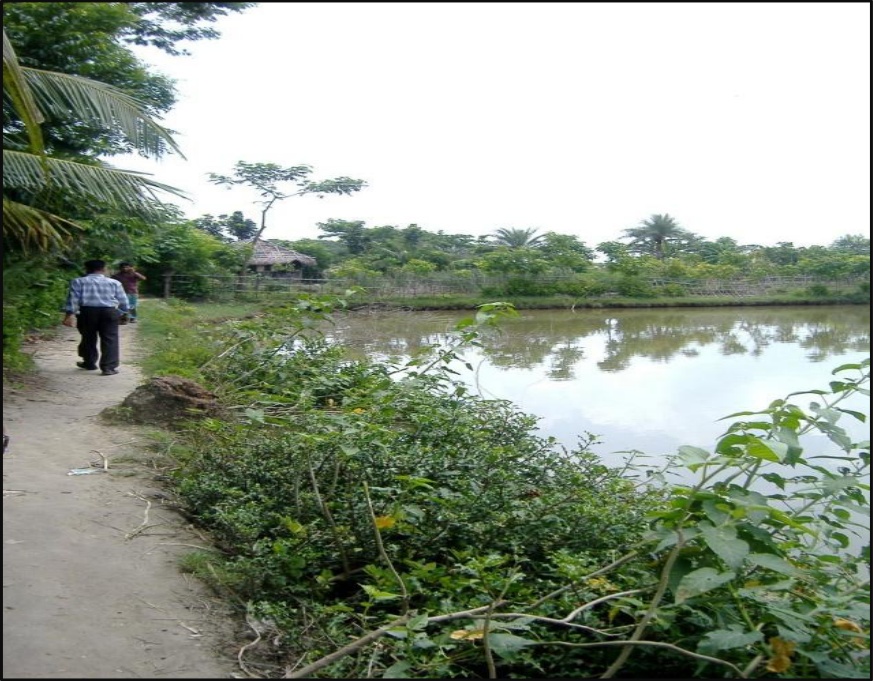
Attempts to increase the agricultural yield and protect human settlements from cyclone and tidal surge embankments led to the construction of the Coastal Embankment Project (CEP). Yet since the 1960s, this government intervention has had an adverse impact on one of the most complex and biologically productive ecosystems in the world; almost permanent drainage congestion and water logging have endangered traditional agriculture and livelihood in the region.
Moreover, much of the agrarian land is becoming permanently or partially barren because of saline water due to indiscrete cultivation of so-called shrimp and shrimp-fish polycultures.
Since 1988, social activists began raising awareness, giving suggestions and providing financial, technical and mental support in order to find a possible solution to the population’s problems. They intended to establish a formal, legal and workable organization to ensure safe water and sanitation, conserve bio-diversity, enhance human rights, and eradicate illiteracy, superstition, and the hypocrisy of religious fundamentalism from the society.
Therefore, RUSTIC emerged as a voluntary social development organization for the helpless to establish themselves financially, socially and culturally. RUSTIC targets the poorest of the community irrespective of race, cast or creed for an integrated development.
NGO Affairs Bureau • Prime Minister's Office (Reg. No. 1949)
Voluntary Social Welfare Agencies Ordinance 1961 (Reg. No. Khulna-537/93)
Our Vision & Mission
Our Vision
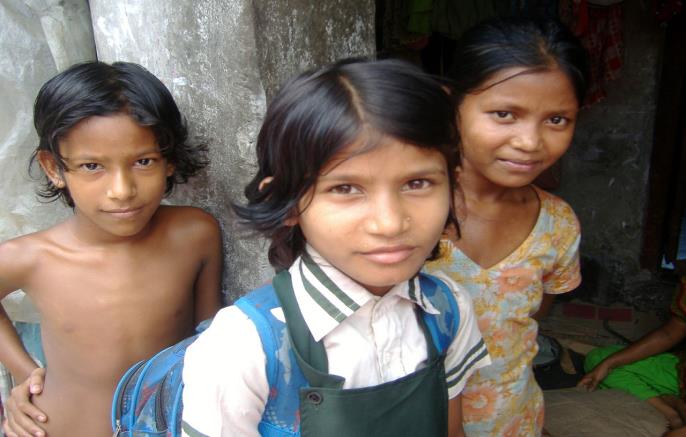
RUSTIC envisions a just, equitable, and inclusive society where every individual—regardless of race, color, or creed—can live with dignity, free from poverty. Through self-empowerment and collective action, it aims to foster a future were social justice and human potential flourish without discrimination. “Non-stop fighting against poverty and climate change”

Our Mission
RUSTIC believes that the poor already understand the roots of poverty—their only need is meaningful support as non-formal education, IGA training specially to urban and migrate families who are affected from climate change. Our mission is to integrate sustainable development into the lives of marginalized, vulnerable, and disadvantaged men, women, and children, enabling them to rise above hardship and build resilient, empowered communities. We also focus on improving the environment in a sustainable manner with various activities.
Our Philosophy
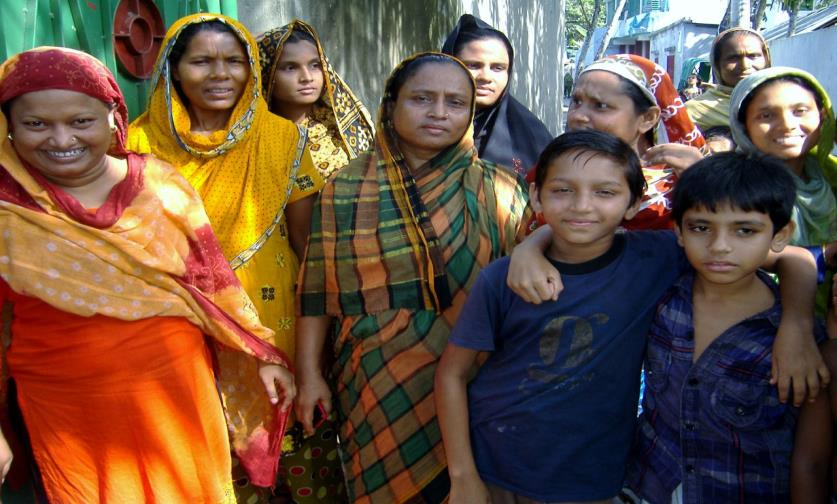
Bangladesh is not a poor country by tradition and instead is a treasure trove for agricultural resources. Despite this fact, it is considered to be one of the poorest nations in the developing world. Natural disasters, lack of formal education, slow industrialization, and lack of democracy translates into people having little voice in the governance of their own country.
Bangladesh is not a poor country by tradition and instead is a treasure trove for agricultural resources. Despite this fact, it is considered to be one of the poorest nations in the developing world. Natural disasters, lack of formal education, slow industrialization, and lack of democracy translates into people having little voice in the governance of their own country. The dream of building an egalitarian society is gradually fading away. Lack of transparency and accountability in the management of wealth means a few people getting hyper-rich and most being pushed to the sidelines. The poor are unable to break out of the vicious circle of poverty for a cause not of their own making. It is time to find an effective way to give hope for the survival and development of the left out majority. RUSTIC has emerged to instill this dream into the left out majority. It is a non-profit and non-government volunteer organization, that works towards socio-economic and environmental development and bio-diversity conservation in Bangladesh
Strategic Objectives
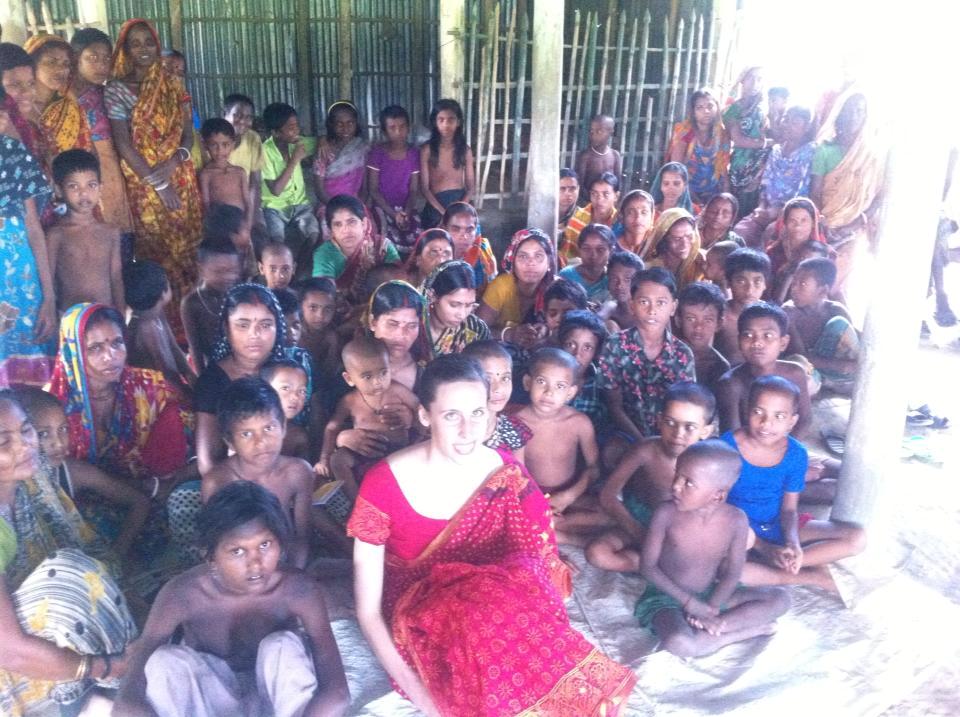
RUSTIC developed five strategic objectives to achieve its vision and materialize its mission. Each objective is paired with direct field interventions to create sustainable, lasting impact for disadvantaged coastal populations across Khulna, Bagerhat, and Satkhira.
These strategic pillars guide grassroots community mobilization, human resource education, food sovereignty, ecological climate resilience, and primary healthcare advocacy.
Explore Programs37-Year Milestone Timeline
From grassroots beginnings in 1988 to nationally celebrated innovations in municipal solid waste composting, industrial rainwater harvesting, and climate adaptation.
Genesis & Founding in Khulna
Established by freedom fighter Moral Noor Mohammad to support landless coastal day laborers, vulnerable women, and marginalized families in Southwestern Bangladesh.
Social Welfare Registration
Received statutory recognition from the Department of Social Welfare under registration number Khulna-537/93, initiating structured adult literacy and savings groups.
NGO Affairs Bureau Registration (No. 1949)
Officially registered with the NGO Affairs Bureau, Prime Minister's Office, opening avenues for bilateral international cooperation with UNDP, WFP, CARE, and WaterAid.
Pioneering Khulna Solid Waste Composting
Launched community-based decentralized solid waste collection and organic composting plants in collaboration with Khulna City Corporation, transforming municipal urban waste into bio-fertilizer.
Ashoka Fellowship Recognition
Founder Moral Noor Mohammad was inducted as an Ashoka Fellow (USA) for social entrepreneurship and innovative ecological approaches to snail biodiversity and coastal waste.
Moral Noor Mohammad works with farmers along Bangladesh's southwestern coast to convert their waterlogged land, which no longer sustains a rice crop, into freshwater shrimp fry farms. In keeping their land and restoring lost income, the farmers are no longer forced to migrate to the city in search of menial jobs.
Moral is a master community organizer: he united small farmers in resisting outside businessmen, who had been using violence to seize local land. Working together, the farmers influenced local government to adopt a shrimp farming policy that protects local communities. Furthermore, Moral's technical innovations, such as ways to shrimp fry mortality and low-priced fishmeal, are important solutions to be shared throughout South Asia.
NONA FISHER CORNERSTONE AWARD
In 2016, RUSTIC was honored with the prestigious international 'Nona Fisher Cornerstone Award' in recognition of its outstanding contributions to sustainable community development, food sequrity and environmental conservation.
HSBC Climate Hero Award
The RUSTIC ( Rural Unfortunate Safety Talisman Illumination Cottage) got the award in the community engagement category for converting household waste into compost fertiliser and raising awareness about the benefits of using organic fertiliser.
Institutional Credentials & Leadership
Founder & Executive Director
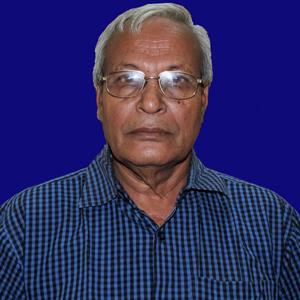
Moral Noor Mohammad
Freedom Fighter, Social Activist & Innovator
Moral Noor Mohammad pioneered decentralized solid waste composting in Khulna City, founded RUSTIC in 1988, and has dedicated over 35 years to climate resilience, snail biodiversity conservation, and safe water security for vulnerable coastal families.
Statutory Registrations
-
NGO AFFAIRS BUREAU
-
Directorate of Social Welfare
-
Microcredit Regulatory Authority
Field Footprint & Reports